3 hr
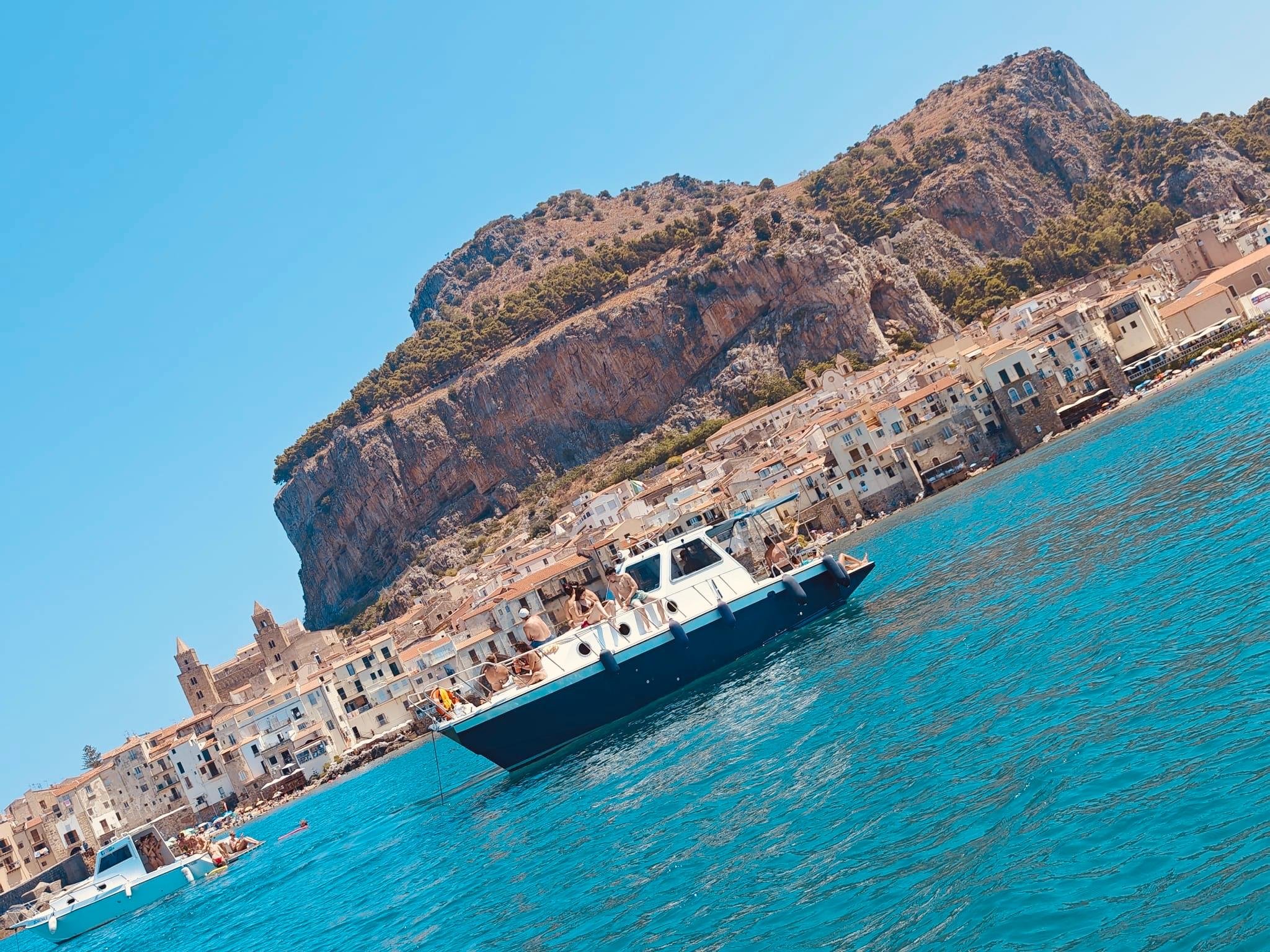
Cefalù Coastal Boat Experience with Snorkeling & Aperitivo
- Entry ticket
- Mobile voucher
- Valid same day
- Free cancellation
Cefalù Wine Tour — Madonie Vineyards & Estate Tastings
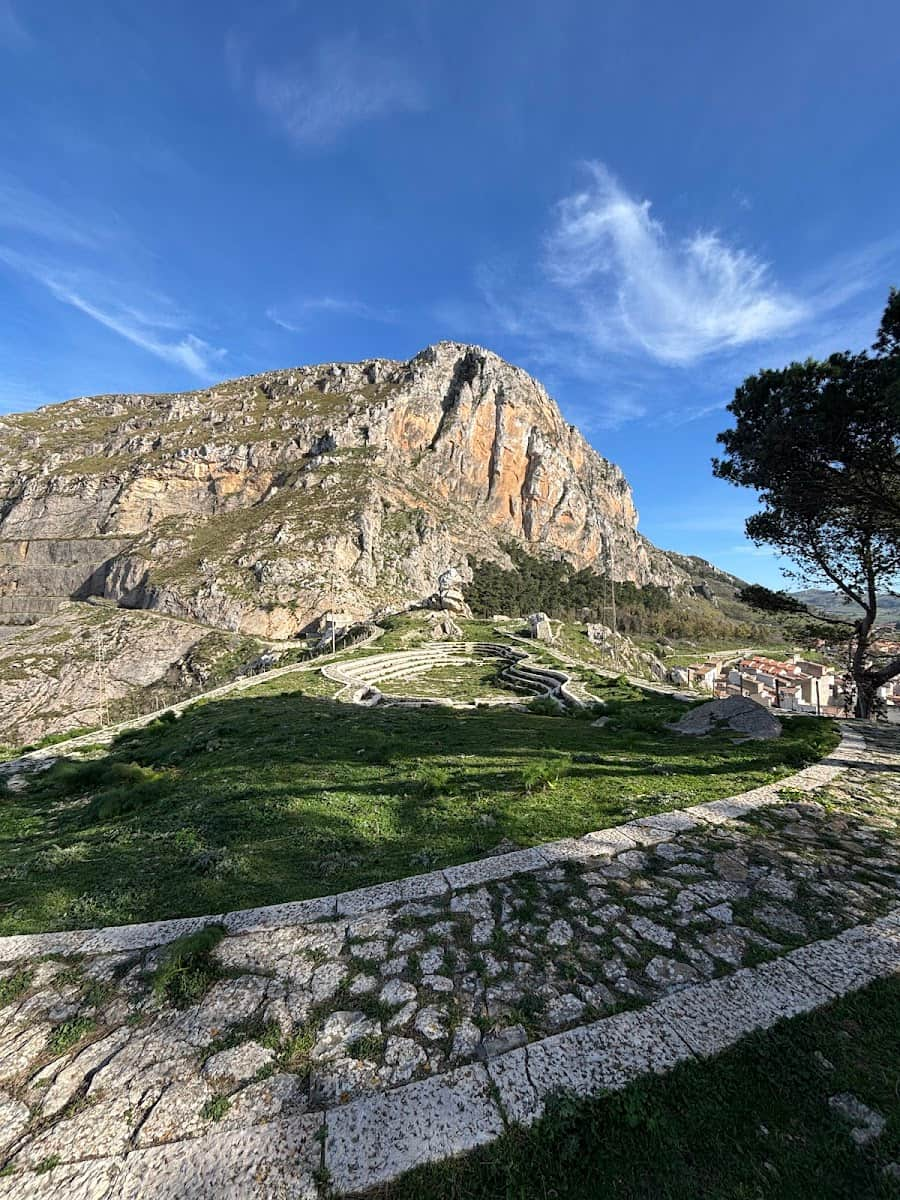
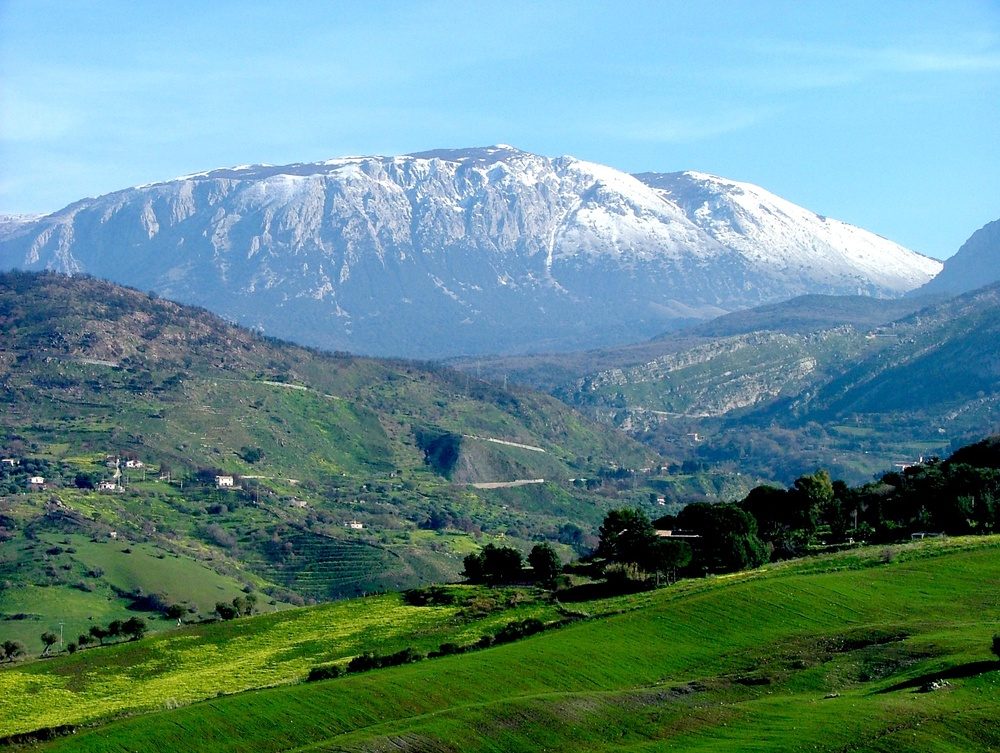
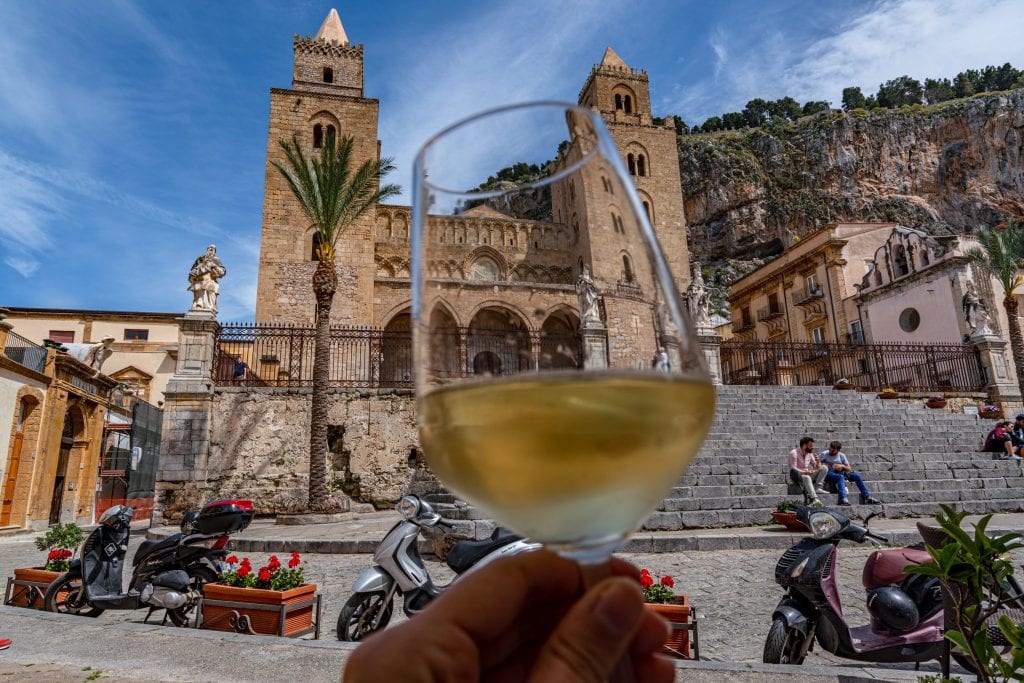
Hillside cellars and terraced vines, limestone peaks framing every pour
Compare fares, pick the fit — all bookings are mobile-voucher and eligible for free cancellation where shown.
3 hr
2 hr 30 min
3 hr
| Experience | Duration | Rating | Guide | Small group | Free cancel. | Price | |
|---|---|---|---|---|---|---|---|
|
Standard Entry
Most popular
Cefalù Coastal Boat Experience with Snorkeling & Aperitivo
|
3 hr | ★ 4.9 | — | ✓ | ✓ | $58 | Book → |
|
Standard Entry
Cefalù Coastal Boat Experience with Snorkeling & Aperitivo
|
2 hr 30 min | ★ 4.9 | ✓ | ✓ | ✓ | $58 | Book → |
|
Luxury / Private
Cefalù Mini Yacht Excursion with Caves & Aperitivo
|
3 hr | ★ 4.9 | — | ✓ | ✓ | $116 | Book → |
Hand-picked experiences loved by thousands of travelers
3 hours
Free Cancellation
Sail Sicily's stunning shoreline with swimming, snorkeling, and onboard refreshments on this relaxing sea adventure.
6 hours
Free Cancellation
Journey to two stunning Sicilian gems featuring Norman cathedrals, medieval treasures, and coastal beauty
4.5 hours
Free Cancellation
Explore Madonie's mountain villages, scenic trails, and cultural landmarks on a thrilling 4x4 adventure
2.5 hours
Free Cancellation
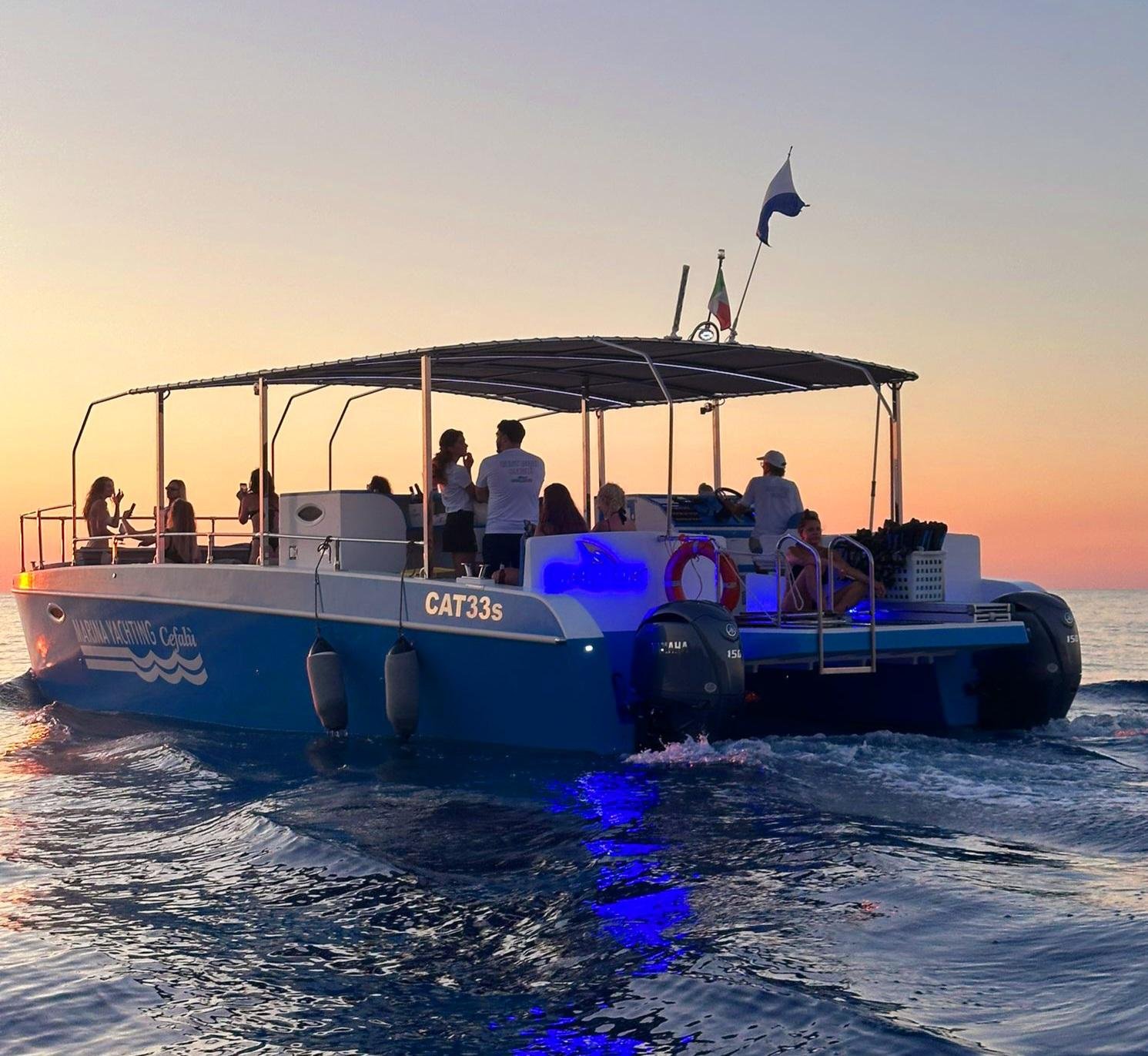
Sail along Sicily's stunning coastline as golden hour paints the sky, with swimming and aperitivo aboard
4 hours
Free Cancellation
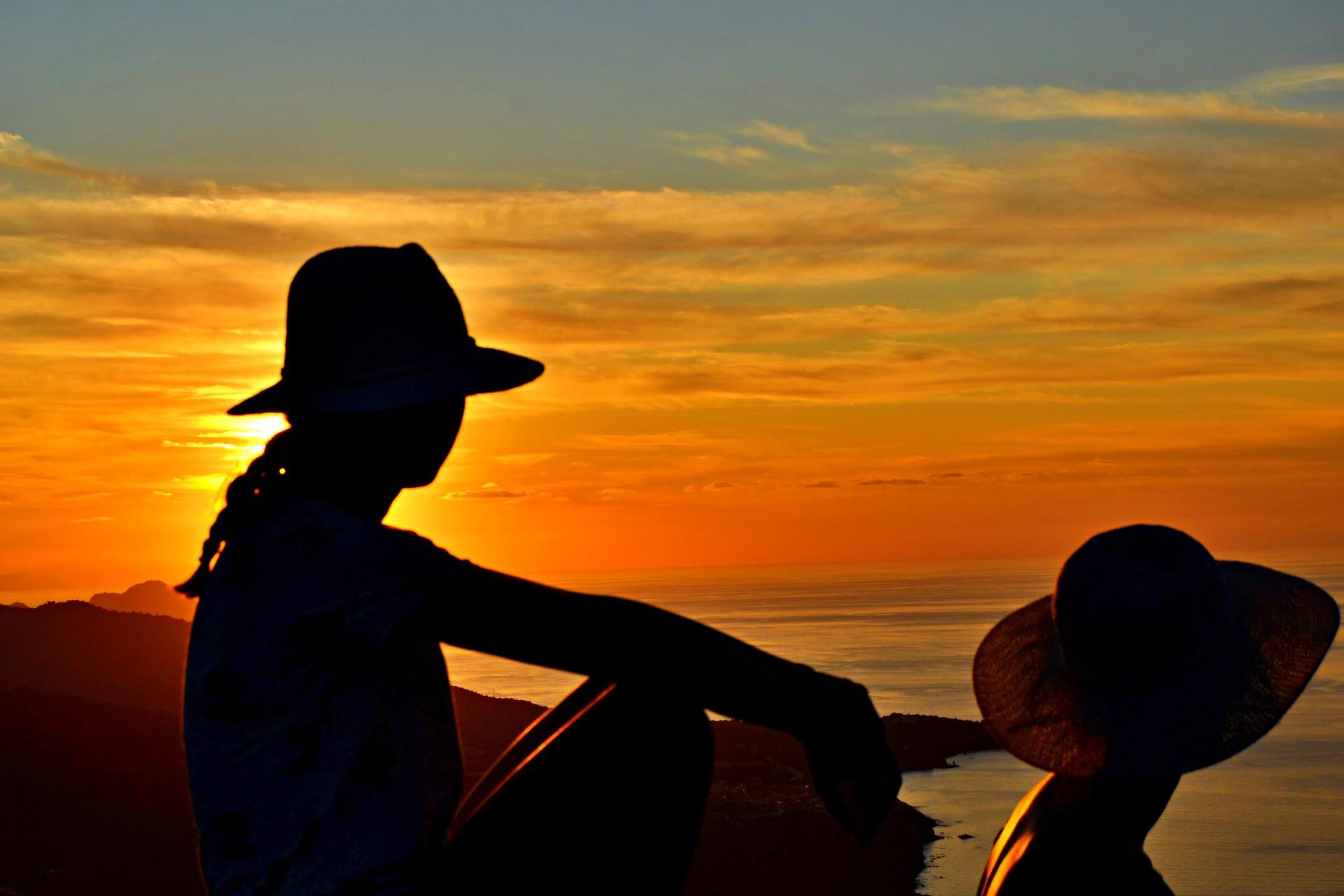
Off-road adventure through Sicilian wilderness culminating in sunset views and grilled feast under the stars
5 hours
Free Cancellation
Journey into the Madonie Natural Park to explore two historic hilltop towns with a traditional food tasting
12 hours
Free Cancellation
Explore Europe's tallest active volcano and the stunning coastal town of Taormina on this guided adventure
5 hours
Free Cancellation
Master traditional Sicilian dishes in a historic coastal villa with chef Antonio Sireci
Arrive at Petralia Sottana to meet your guide
Tour private cellars and learn about viticulture
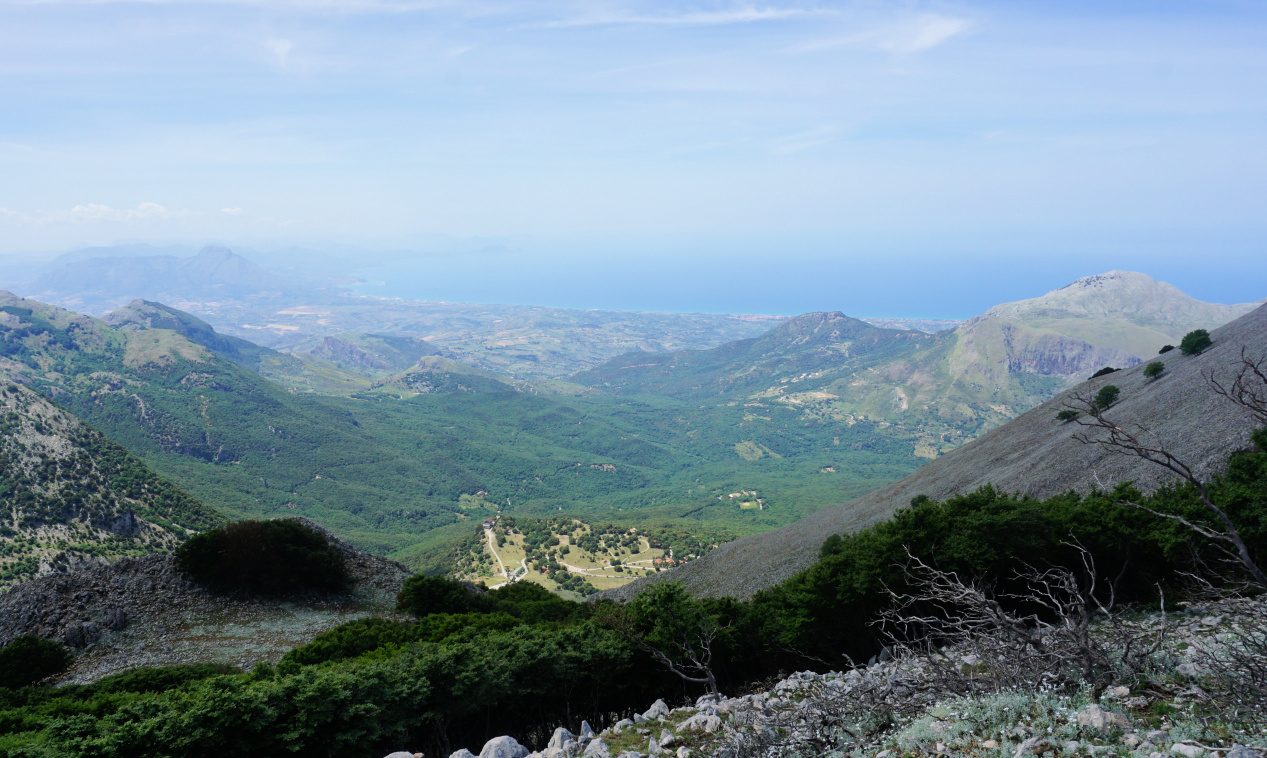
Walk through the Madonie Regional Natural Park
Sample local varietals during your Cefalu wine tour
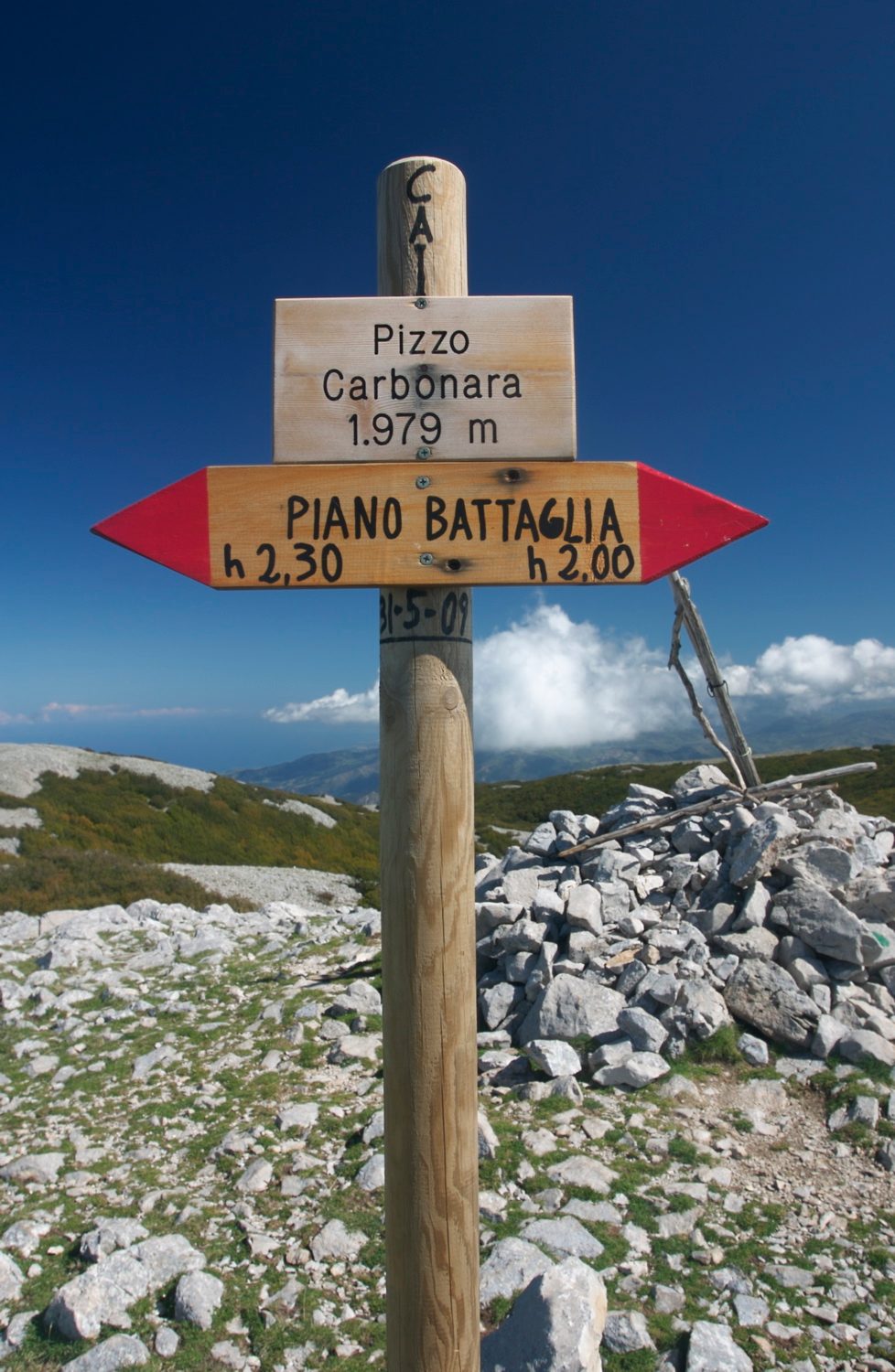
The highest peak in the park reaching 1,979 meters above sea level.
Known for diverse biodiversity and ancient oak forests.
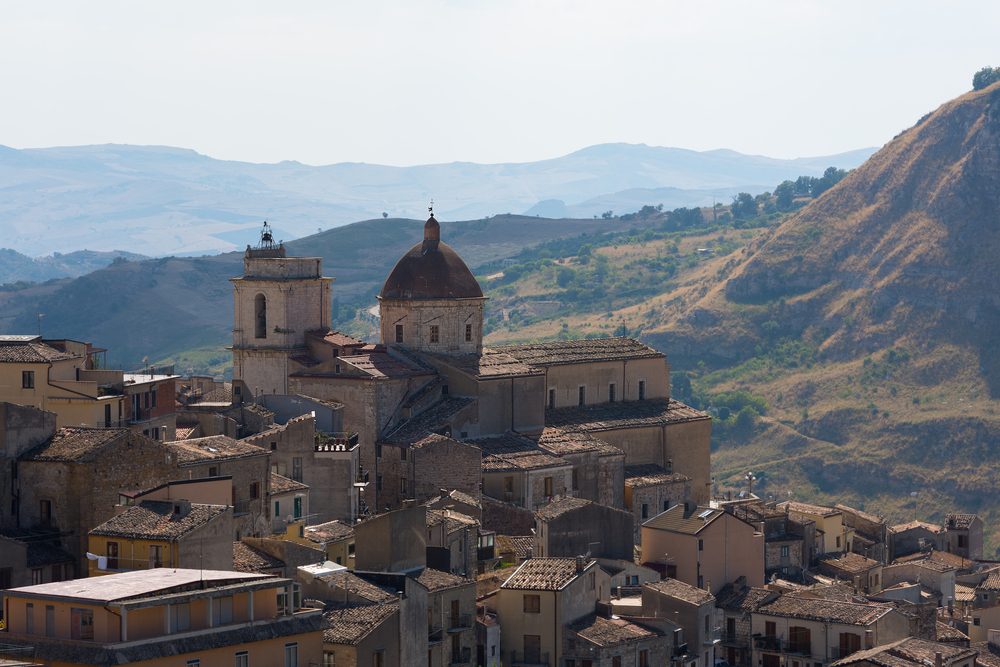
A medieval village that serves as the gateway to the park.
Features rare rock formations dating back millions of years.
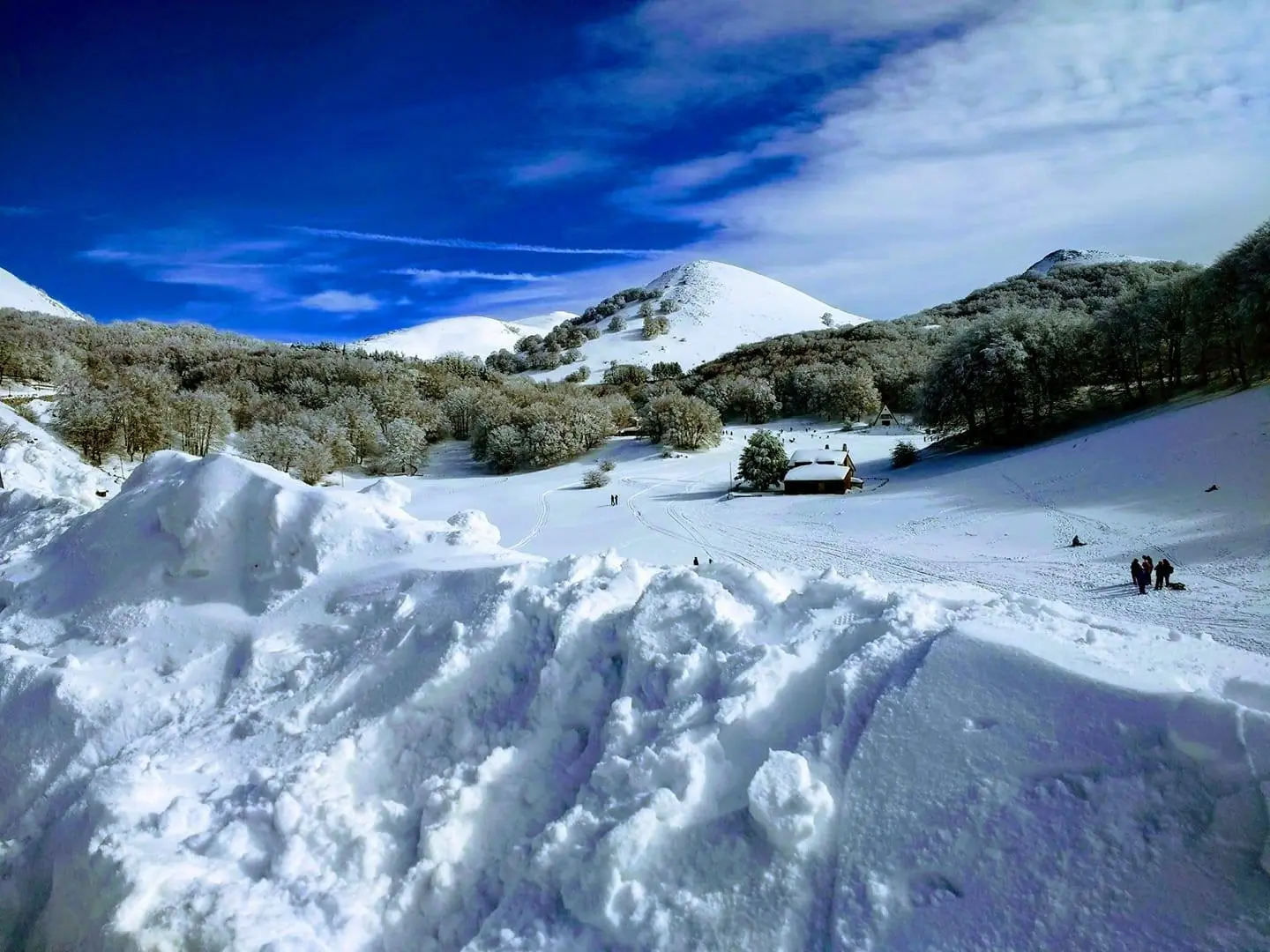
A high-altitude plateau that hosts the only ski area in the park.
You meet your group at Corso Ruggero in Cefalù's historic centre, then board a minivan that climbs switchbacks into the Madonie foothills. Within twenty minutes the coastal haze gives way to oak forest and terraced slopes striped with vines.
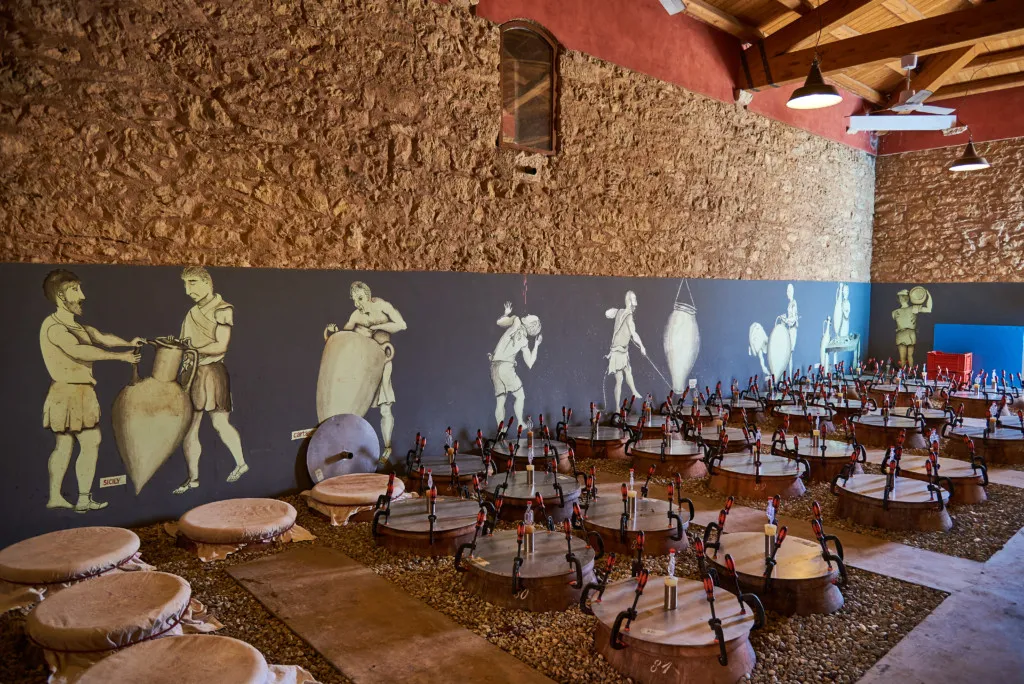
Your first stop is a fifth-generation estate near Castelbuono, where you walk between alberello rows, the guide explaining how bush-trained vines resist wind and concentrate sugars. Inside the cantina, steel tanks stand beside buried amphorae; you taste a Catarratto fermented in each vessel, noting the textural difference clay imparts.
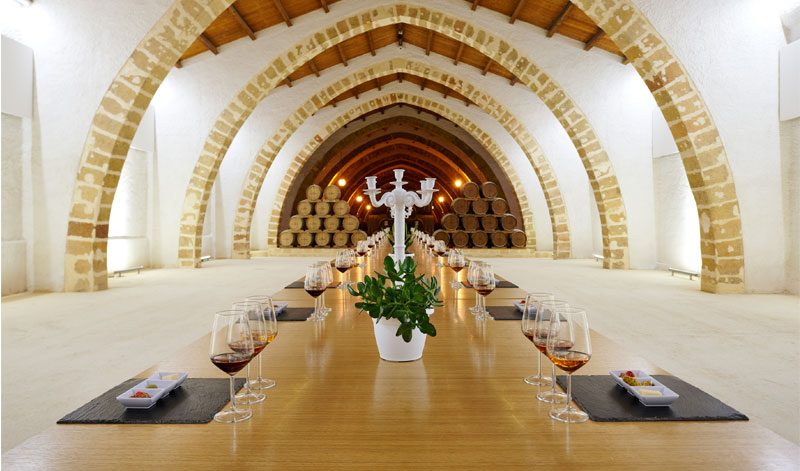
The second estate sits at 950 metres, its tasting room cantilevered over a valley planted with Nerello Mascalese. You sample a vertical of three vintages, the winemaker pointing out how drought in 2024 intensified tannin, while 2025's late rains softened the finish. Lunch is served on a terrace shaded by carob trees: pecorino aged in walnut leaves, caponata, bread rubbed with tomato, and a chilled rosato from Frappato grapes harvested that morning. After lunch you visit a small cooperative where members pool fruit from parcels too steep for mechanical harvest. You descend into a cellar carved from limestone, where large Slavonian botti rest in cool darkness. The final tasting includes an orange wine from Inzolia, its amber hue and tannic grip a reminder that winemaking here still follows rhythms older than the park's 1989 designation. You return to Cefalù by early evening, the descent offering views of the Tyrrhenian turning copper in the late sun.
All the details about your upcoming adventure in one place
This cefalu wine tour winds through hillside vineyards and family-run cellars in the Madonie mountains, where volcanic soils and coastal breezes shape DOC Nero d'Avola and Catarratto varietals. Guests taste three to five estate wines paired with local cheeses, olives, and bread, guided by winemakers who explain terroir and traditional fermentation methods. Cefalù wine tour tickets include cellar access, tastings, and transport from the coastal town into the park's quieter slopes.
Fewer than thirty wineries operate within the Madonie massif, yet the limestone and clay soils rising from 400 to 1,200 metres have produced DOC Sicilia wines since the denomination's formal recognition in 2011.
The volcanicrift that shaped Mount Etna never reached this far west; instead, centuries of sedimentary deposit left slopes rich in calcium carbonate, ideal for Catarratto, Nerello Mascalese, and Perricone grapes. Medieval monasteries planted the first organised vineyards here in the twelfth century, supplying communion wine to Norman churches dotting the coast from Cefalù to Castelbuono. By the nineteenth century, phylloxera had devastated much of Europe's viticulture, but isolated Madonie estates survived the blight, preserving ungrafted rootstock that remains in small parcels today.
Modern Cefalù wine tour itineraries trace this continuity. Visitors move from cliffside tasting rooms overlooking the Tyrrhenian Sea to family cantinas where fermentation still happens in terracotta amphorae, techniques unchanged since Byzantine trade routes carried Sicilian wine to Constantinople. The park's altitude creates diurnal temperature swings of up to 18 degrees Celsius in summer, slowing ripening and concentrating phenolic compounds. Winemakers here favour minimal intervention: wild yeasts, extended maceration, and ageing in large Slavonian oak botti rather than French barriques. The result is a profile distinct from warmer Marsala or Nero d'Avola regions—more saline, more herbal, with notes of Mediterranean scrub, white almond blossom, and the chalky minerality geologists attribute to fossilised marine deposits.
Cefalù wine tours typically anchor at three or four estates within a six-hour window. Tastings include vertical flights of single-vineyard Grillo, skin-contact orange wines from indigenous Inzolia, and small-batch rosatos pressed from Frappato. Guides explain the consorzio standards governing DOC labelling, the renaissance of traditional palmento presses, and the ongoing debate over stainless steel versus amphorae for primary fermentation. Most tours incorporate a walk through terraced plots where vines grow as low bush alberello, pruned close to the ground to withstand sirocco winds. Visitors see firsthand how the park's biodiversity—wild fennel, capers, carob trees—informs the aromatic layers in the glass. The Madonie remain less trafficked than Etna's wine road, yet sommeliers cite the region as Sicily's emerging frontier for terroir-driven whites and structured, age-worthy reds.

Isolated Madonie estates survived the nineteenth-century phylloxera blight, preserving ungrafted rootstock that remains in small parcels today.
Wear sturdy, closed-toe hiking shoes suitable for the uneven terrain of the Madonie Regional Natural Park. Layers are recommended to accommodate temperature changes between the coast and higher altitudes during a Cefalu wine tour.
Visitors on a Cefalu wine tour should carry lightweight daypacks for personal items. Security personnel are not stationed at trailheads, so keep valuables with you at all times.
Photography is permitted throughout the park for personal use. Capturing the landscape during a Cefalu wine tour is encouraged, but respect private vineyard boundaries.
The park is suitable for families, though strenuous hikes should be planned according to age. Always verify if your specific Cefalu wine tour provider accommodates minors.
The Madonie Regional Natural Park features natural, unpaved trails that may be difficult for visitors with mobility impairments. Specialized Cefalu wine tour excursions may offer accessible transport to select vineyard locations.
Carry sufficient water and snacks, as facilities are sparse in remote sections of the park. Many Cefalu wine tour programs include curated tastings featuring local Sicilian gastronomy.
Opening Hours
00:00–23:59
Address
Corso Paolo Agliata, 16, 90027 Petralia Sottana PA, Italy
Accessibility
Varies by terrain within Madonie Regional Natural Park
Best arrival window
08:30–18:00
Storage
Not available at the park entrance
Navigation
Use GPS coordinates for precise mountain trail access
Car · N/A · N/A
Rental vehicles are the most efficient way to access the park and vineyard locations. Parking is available at the main visitor center in Petralia Sottana.
Public transport · N/A · N/A
Regional buses connect coastal towns to Petralia Sottana. Schedules are limited, so plan your Cefalu wine tour transport carefully.
Individual activities associated with a Cefalu wine tour typically require cancellation 48 hours in advance for a full refund. Tours operate independently of the 0 EUR park entry fee.
Recommended time
Full day
Allocating a full day allows you to balance the immersive experience of a cefalu wine tour with the expansive mountain trails of the Madonie Regional Natural Park. Arriving early provides the best light for navigating regional vineyards and rural terrain, while afternoon crowds typically swell as visitors return from village excursions. You should consider securing your cefalu wine tour tours in advance to streamline local logistics. Those seeking a more relaxed pace might prefer extended afternoon sessions, whereas a morning cefalu wine tour tour is ideal for avoiding peak heat and traffic near popular tasting rooms.
Crowd levels through the day
Weather · crowds · average price — dots go green to amber to red as each metric rises.
Mild temperatures and blooming wildflowers create a scenic backdrop for a Cefalu wine tour. Trails are accessible and pleasant for extended walks.
Expect high temperatures in lower elevations, making early morning visits to the vineyards essential. Crowds are moderate near the coastal areas.
Cooler air makes this the peak season for harvesting activities during your Cefalu wine tour. The foliage provides excellent photographic opportunities.
Snow can occur in the highest peaks of the park, limiting access to some mountain roads. Check weather reports before planning your Cefalu wine tour.
Reserve your spot for a Cefalu wine tour several weeks in advance to ensure availability during harvest season.
Mountain air is dry, so carry at least 2 liters of water when participating in a Cefalu wine tour.
The Madonie Regional Natural Park experiences rapid weather shifts; always check the forecast before departure.
Even in summer, temperatures can drop at higher altitudes during your Cefalu wine tour.
Follow marked trails to avoid damaging endemic plant species while visiting the park.
Corso Paolo Agliata, 16, 90027 Petralia Sottana PA, Italy
Central meeting point for regional tours
Get directionsThe Madonie mountains harbored viticulture long before formal park designation. Greek settlers introduced vine cultivation to Sicily's northern coast during the 8th century BCE, establishing terraced plots that ascended the limestone slopes above what would become Cefalù. Roman agronomists documented the region's microclimates in the 1st century CE, noting how altitude moderated the coastal heat and produced wines with distinctive acidity. Medieval monasteries expanded these holdings between the 11th and 14th centuries, particularly Benedictine communities who maintained cellars in Castelbuono and Polizzi Generosa. The monasteries' dissolution under Spanish rule in the 16th century transferred vineyard ownership to aristocratic estates, which introduced Sicilian indigenous varieties like Nerello Mascalese to supplement the older Catarratto plantings. Industrialization nearly erased this heritage. Phylloxera arrived in Sicily during the 1880s, devastating ungrafted vines across the Madonie foothills. Many families abandoned viticulture for grain cultivation or emigrated entirely. The remaining vineyards shifted to bulk wine production for northern Italian blending houses, a practice that dominated from the 1920s through the 1970s. Quality declined as growers prioritized yield over varietal character. When the Italian government established Madonie Regional Natural Park in 1989—protecting 39,972 hectares across fifteen municipalities—wine tourism was not part of the conservation mandate. The park's early focus on hiking trails and wildlife corridors left viticulture in regulatory limbo. Revival began in the late 1990s when a handful of producers embraced low-intervention winemaking and reopened historic cellar spaces for cefalu wine tour experiences. The 2001 recognition of Sicilia DOC provided legal framework for quality labeling, and by 2008 park authorities began integrating agriturismo wine tours into official trail networks. Today's cefalu wine tour itineraries blend tastings with visits to Norman-era press houses and mountainside vineyards, preserving both the landscape and the viticultural knowledge that nearly disappeared a generation ago.
Greek colonists plant terraced vineyards on Madonie slopes above the coastal settlements.
Roman agronomists catalog the region's altitude-moderated microclimates in viticultural texts.
Benedictine monasteries expand wine production in Castelbuono and Polizzi Generosa.
Phylloxera epidemic destroys ungrafted vines, triggering mass abandonment of mountain viticulture.
Italian government establishes Madonie Regional Natural Park, initially excluding wine heritage from conservation plans.
Sicilia DOC designation provides quality framework, enabling small producers to market estate wines.
Park authorities integrate agriturismo cefalu wine tour routes into official trail systems, linking tastings with heritage sites.
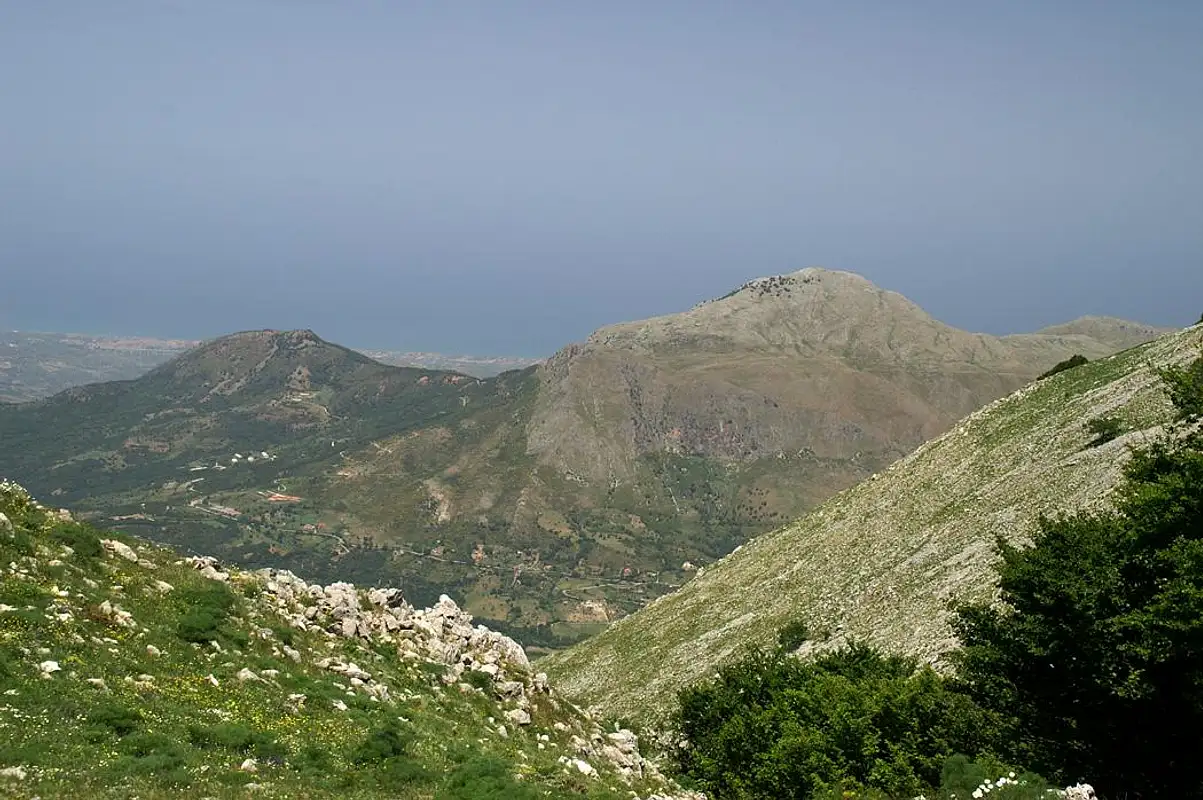
Capture the panoramic vistas of the Madonie range from the highest peak in Sicily, ideal for wide-angle landscape shots. Stand at the cairn marker for the most expansive view of the surrounding mountain terrain.
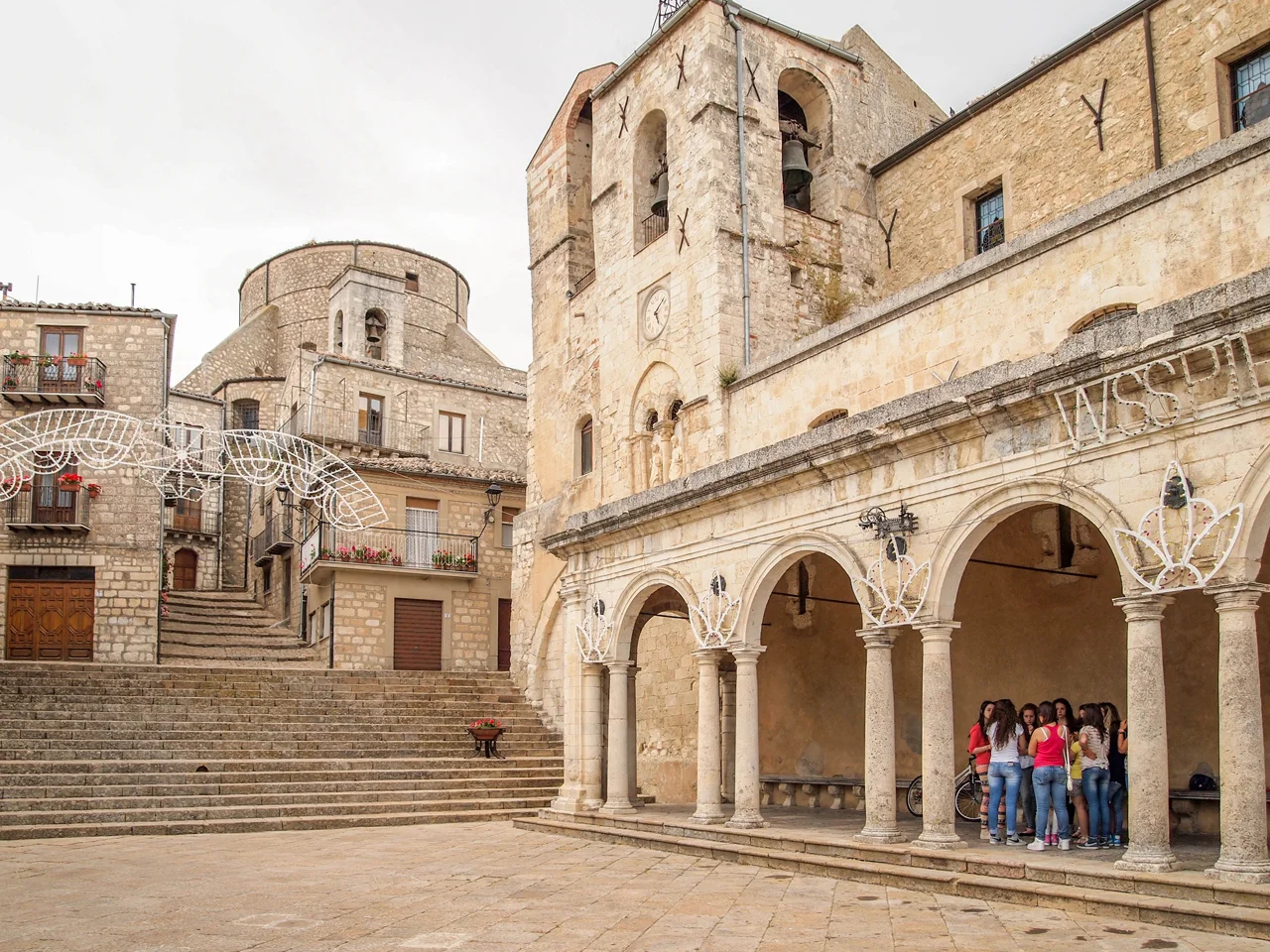
Document the authentic atmosphere of this historic village while on a cefalu wine tour. Use the stone architecture and rustic cobblestone alleys to frame your composition.
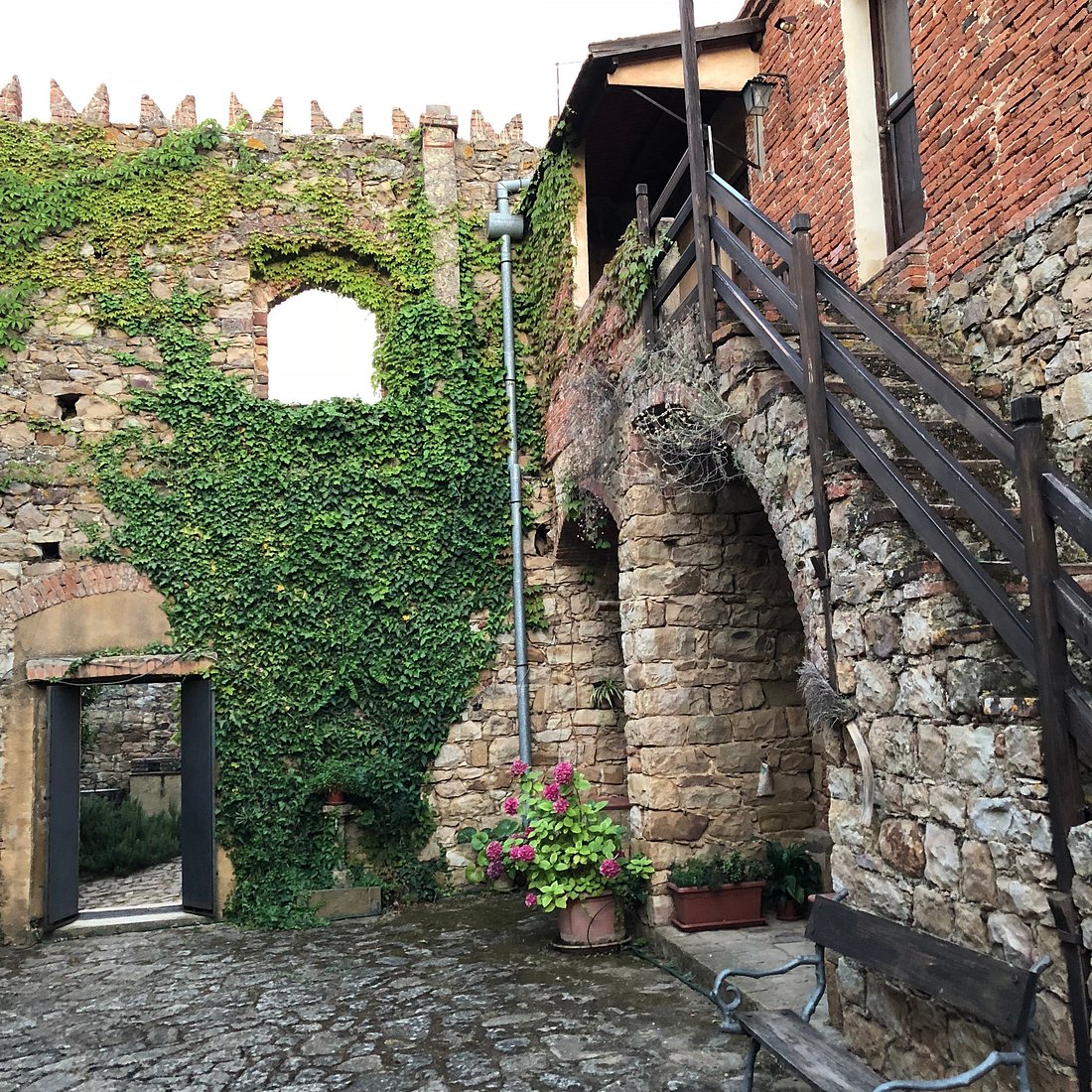
Focus on the architectural details of this medieval fortification that serves as a common stop for regional viticulture excursions. The inner courtyard offers dramatic light and shadow play.
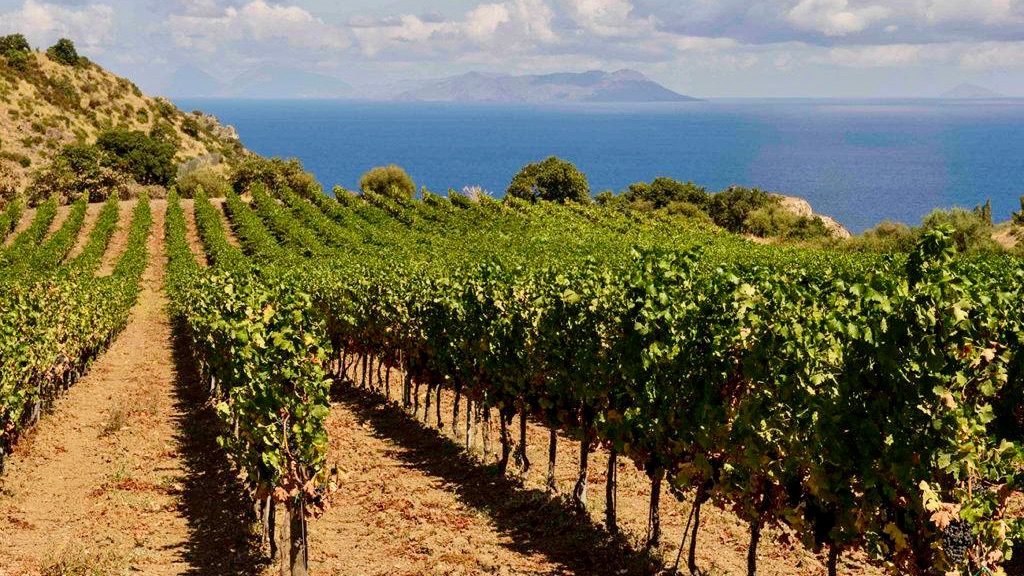
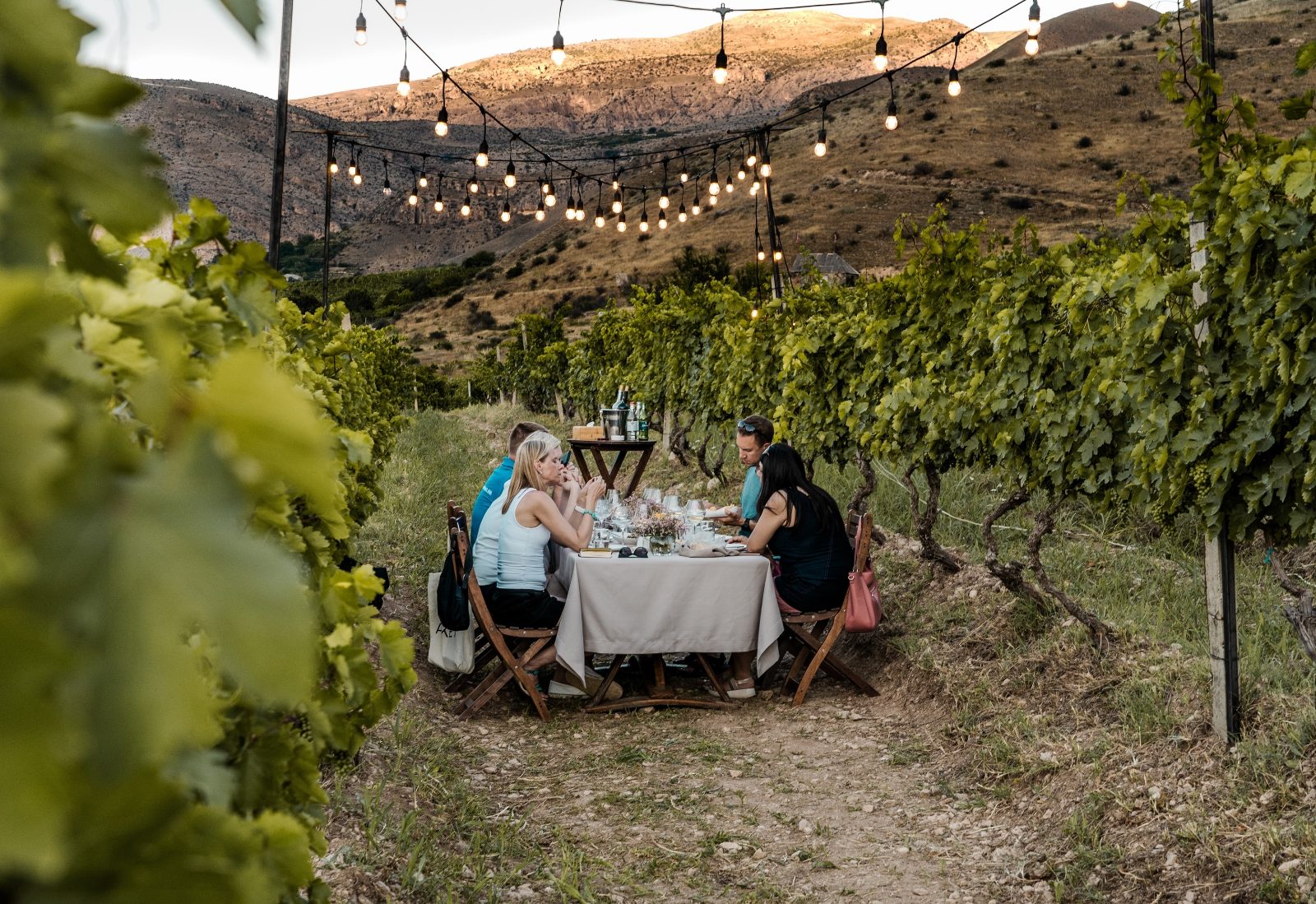
Integrate the rolling hills and orderly vine rows into your frame to document the production side of your cefalu wine tour tours. Access is easiest from the designated walking paths bordering the agricultural estates.
This location provides a clear perspective of the protected biodiversity and forest canopy. Set your camera on a tripod at the marked overlook for sharp results during your cefalu wine tour tour or when accessing your cefalu wine tour tickets.
Exploring the Madonie Regional Natural Park as part of a cefalu wine tour offers families a chance to experience rugged mountain landscapes and historic hilltop villages. While the terrain requires preparation, the park provides an authentic outdoor classroom for children interested in Mediterranean vineyards and local flora.
Most mountain trails are unsuitable for strollers due to uneven terrain, so a hiking carrier is essential for toddlers. Historic villages feature narrow cobblestone streets where lightweight, collapsible strollers are more manageable if you choose to participate in cefalu wine tour tours.
Public restrooms are sparse along hiking paths, but village centers like Petralia Sottana offer basic amenities for families. Planning your cefalu wine tour tickets around proximity to these towns ensures access to necessary changing facilities.
Expect steep elevation changes throughout the park that require frequent breaks for younger children. Short, low-intensity loops near the visitor centers are recommended over long-distance treks for a successful cefalu wine tour tour.
Children aged six and older typically gain the most from the educational aspects of local viticulture and nature walks. Younger children benefit from the open space of the park but may find the travel time between vineyards demanding.
Stay on marked trails to navigate the diverse landscape safely while observing native wildlife and vineyard terraces. Maintaining a consistent pace helps children adjust to the mountain environment while adults enjoy the scenic excursion.
Real experiences from real travelers
We joined a small group tour through three family wineries in the Madonie foothills above Cefalù. The sommelier explained how the mountain terroir creates minerality in the whites. Each stop included local cheese and the views stretched to the coast.
Visited two estates producing Nero d'Avola and Grillo varietals. The winemakers spoke about organic methods and the September harvest. Lunch at the final stop featured caponata and fresh bread. A cefalu wine tour offers genuine connection to the land.
Our guide picked us up in Cefalù and drove into the mountains. We tasted six wines across two properties and learned about volcanic soil influence. The second winery served arancini with the reds. Finished by 4pm with time to explore town.
The vineyards near Madonie park were scenic and the wines solid. We visited three cellars in four hours which felt compressed. Preferred the smaller estate with the older vines. Would book a longer version next time.
Drove 30 minutes inland from the coast to hillside vineyards with panoramic views. The Cefalù wine tasting tours we sampled included a rare Perricone blend. Hosts were generous with their time and poured extra samples.
Booked this as an add-on to our Sicily trip and it became a highlight. Two boutique wineries with limited production. The owner at the second stop walked us through their barrel room and explained aging processes. Stunning mountain backdrop.
Made the hour trip specifically for wine tours around Cefalù. The microclimate here produces different profiles than western Sicily. We bought three bottles from the organic estate. Light lunch included prosciutto and pecorino.
Visited estates that have been family-run for generations. The guide translated winemaker stories about phylloxera recovery and modern techniques. Each stop offered shaded outdoor seating. Returned to Cefalù by late afternoon.
This experience connected us with producers who rarely export. The second vineyard sits at 600 meters elevation with cooler nights that preserve acidity. A cefalu wine tour ticket also covered all tastings and a cheese plate.
Everything you need to know for your journey
The Madonie Regional Natural Park is open 00:00–23:59 daily.
Yes, the park is open 00:00–23:59, providing ample time for any Cefalu wine tour.
Entrance to the park is 0 EUR, though specific activities charge separate fees.
Cefalu wine tour tickets must be purchased through authorized local tour operators.
Bring water, sunscreen, and layers for your Cefalu wine tour, as the park is open 00:00–23:59.
Dogs are allowed if leashed, and many Cefalu wine tour providers accommodate them as well.
Yes, photography is permitted on all Cefalu wine tour excursions throughout the park.
Autumn is ideal for a Cefalu wine tour due to the grape harvest and pleasant temperatures.
Yes, you can visit the Ventimiglia Castle and other landmarks while on your Cefalu wine tour.
Historic church located in the heart of Petralia Sottana.
Ruins offering panoramic views of the surrounding mountains.
Features geological exhibits and local flora information.
Comfortable lodging located near the park entrance.
Farm-style stay frequently used by visitors on a Cefalu wine tour.
Affordable rooms within walking distance of the town center.
Join thousands of happy travelers who have discovered this incredible experience
Book Your Experience Now