3 hr
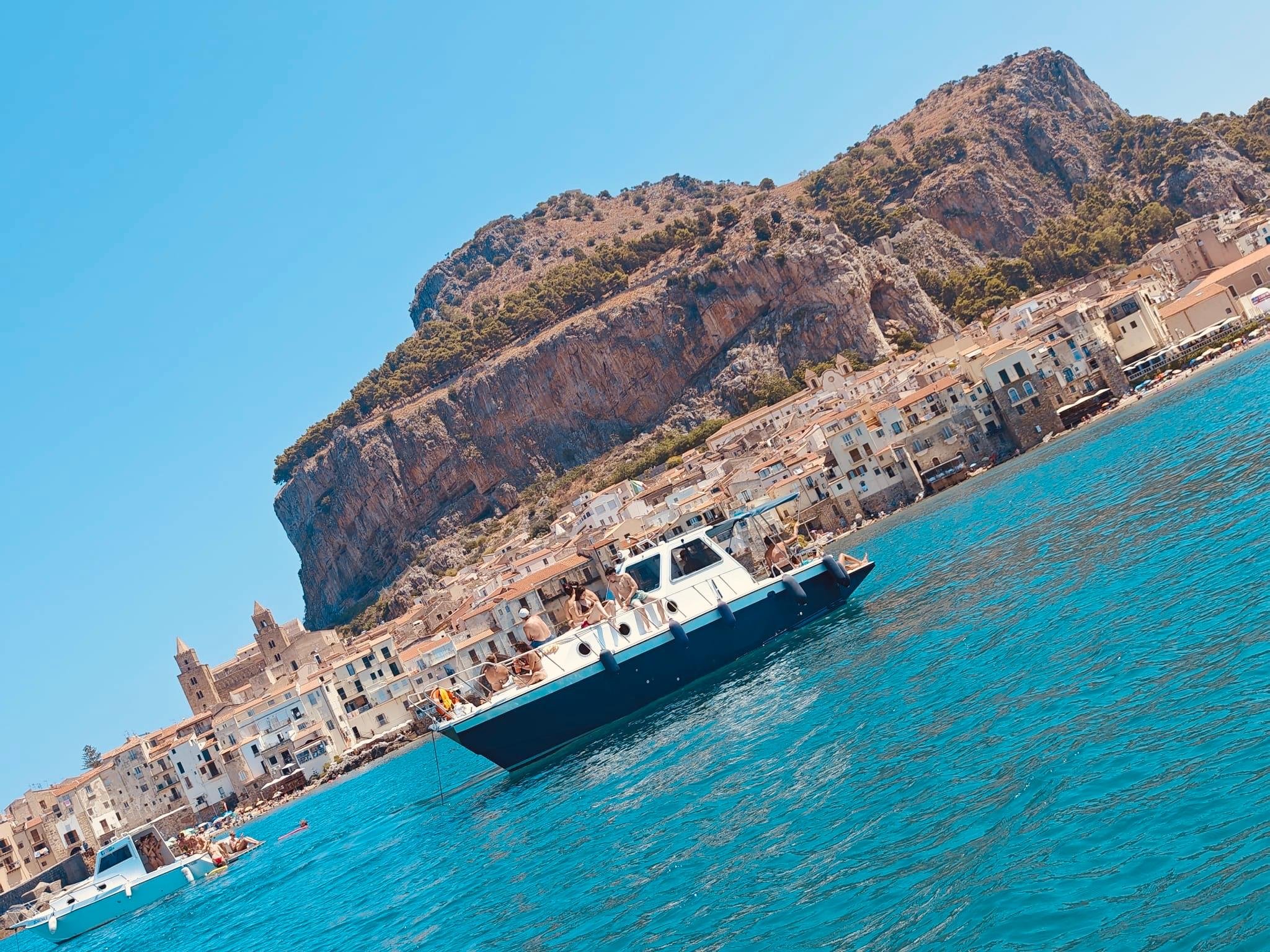
Cefalù Coastal Boat Experience with Snorkeling & Aperitif
- Entry ticket
- Mobile voucher
- Valid same day
- Free cancellation
Cefalù Wine Tasting — Urban Cellars & Coastal Tastings
Sicilian varietals in mountain-flanked cellars, paired with artisan terroir
Compare fares, pick the fit — all bookings are mobile-voucher and eligible for free cancellation where shown.
3 hr
3 hr
3 hr
Visitors planning a cefalu wine tasting experience can choose between guided excursions that combine cellar tours with mountain village visits. These curated outings provide direct access to the region's organic vineyards and historic estates.
| Classic Vineyard Tour Half-Day Guided Experience |
Top pick Premium Estate Visit Full-Day Private Excursion |
|
|---|---|---|
| Winery Access | Guided Cellar Tour | Guided Cellar & Grounds |
| Village Exploration | Castelbuono Included | Castelbuono & Hidden Towns |
| Duration | 5 hours | 8 hours |
| Tastings Included | 3–5 Local Wines | 5+ Premium Wines & Lunch |
| Arrival Method | Shared Group Van | Private Transport |
| See tickets & prices |
Verdict: Choose the Classic Vineyard Tour for a balanced half-day excursion, or opt for the Premium Estate Visit for an in-depth cefalu wine tasting tour with private transit and extended regional exploration.
Worth it for wine enthusiasts seeking authentic terroir
A cefalu wine tasting excursion into the Madonie mountains delivers something the coastal town cannot: access to high-altitude vineyards where volcanic soils and cool microclimates shape distinctly Sicilian varietals like Nero d'Avola and Grillo. The Cefalù Culinary Walking Tour with Wine offers an urban introduction to local bottles, but dedicated wine tours venture into hillside estates where producers explain traditional techniques and aging processes firsthand. For casual sippers content with aperitivo pours, the in-town Urban Wine Cellar Tasting Experience provides quality without the drive. Serious oenophiles, however, gain direct contact with winemakers, barrel-room access, and vertical tastings unavailable in Cefalù's tasting rooms. The investment pays off when you want depth over convenience—understanding how the Madonie terroir translates into the glass rather than sampling a preset flight. Skip it if your priority is maximizing beach time or you prefer structured coastal activities like the snorkeling cruises.
Bottom line: Choose cefalu wine tasting tours in the Madonie when you value terroir education and producer interaction over coastal convenience.
These experiences serve distinct purposes; the mountain excursions provide deep immersion into Sicilian viticulture, whereas the urban cellars offer refined accessibility. Choosing the right cefalu wine tasting depends on whether you prioritize raw landscape exploration or the efficiency of a downtown sommelier-led session.
|
Top pick Madonie Park Tours |
Urban Wine Cellars | |
|---|---|---|
| Travel time | 45–60 minutes by car | 5–10 minutes walking |
| Setting | Rugged mountain vineyards and peaks | Restored historic cellar interiors |
| Access to local producers | Direct vineyard and farm visits | Curated bottles from regional estates |
| Typical duration | 4–6 hours including transit | 1–2 hours of focused tasting |
| Physical exertion level | Moderate walking on uneven terrain | Low physical activity |
| Availability of cefalu wine tasting tours | Seasonal group and private options | Daily walk-ins and reserved slots |
| Ease of securing cefalu wine tasting tickets | Advanced booking highly recommended | Online or same-day walk-in access |
| See tickets & prices |
Verdict: Opt for the Madonie Park excursion to experience the terroirs firsthand, or select a cefalu wine tasting tour in the urban center for a relaxed, time-efficient engagement with local varietals.
Hand-picked experiences loved by thousands of travelers
4 hours
Free Cancellation
Savor Sicily's coastal flavors on a guided foodie adventure through historic streets and hidden squares
1.5 hours
Free Cancellation
Discover Sicilian wines through expert-led tastings paired with artisan local foods in a cozy downtown cellar
4 hours
Free Cancellation
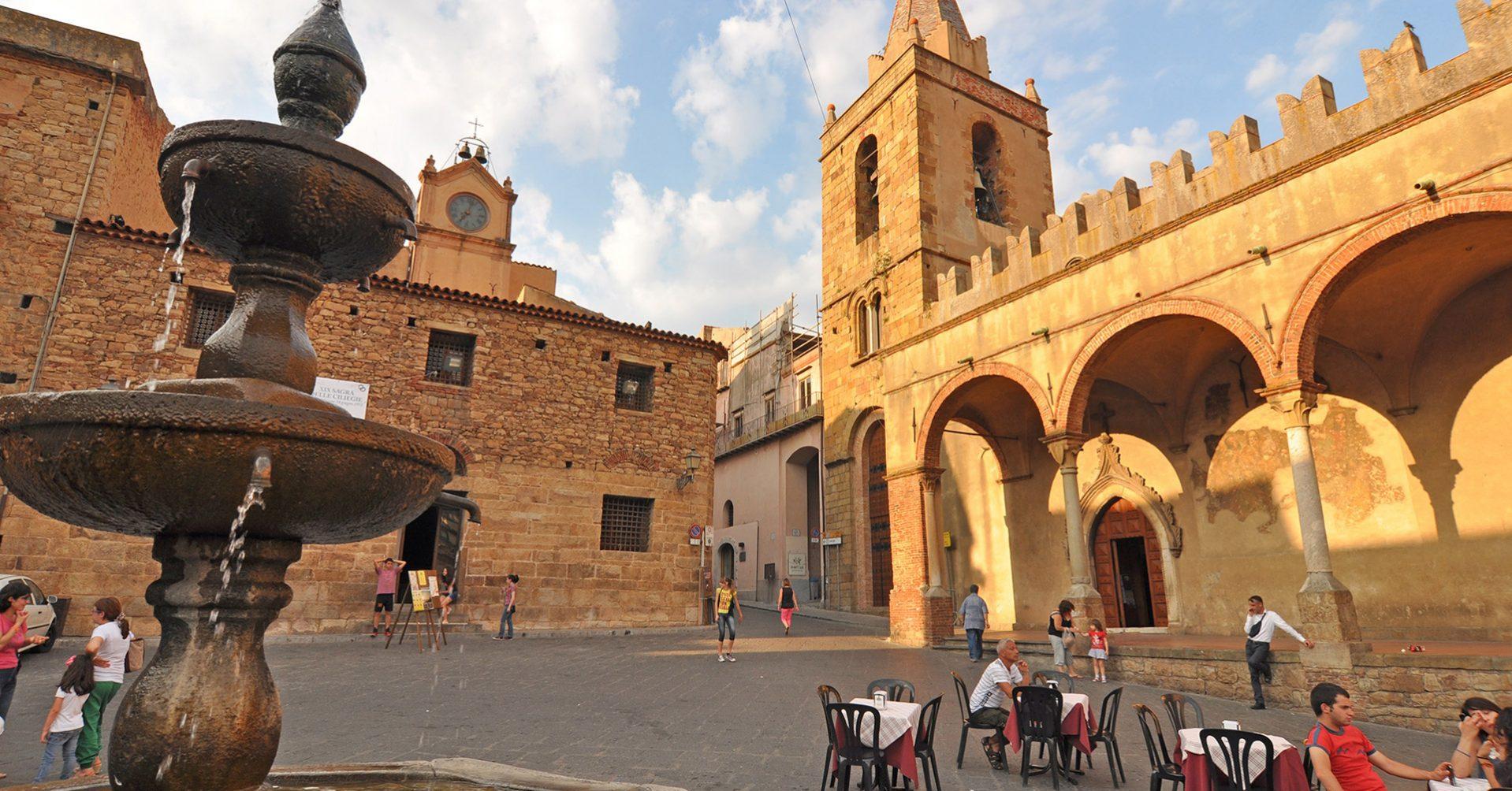
Discover Sicilian wines and medieval charm on a scenic journey through the Madonie Mountains
9 hours
Free Cancellation
Journey into Sicily's highlands to explore mountain villages and witness traditional cheese crafting
5 hours
Free Cancellation
Learn authentic Sicilian cooking techniques in a historic Mediterranean villa with chef Antonio Sireci
3 hours
Free Cancellation
Intimate yacht cruise exploring hidden coves, sea caves, and turquoise waters with Sicilian snacks and unlimited drinks
3 hours
Free Cancellation
Sail Sicily's stunning coastline aboard a modern catamaran with swimming breaks and prosecco
5 hours
Free Cancellation
Journey into the Madonie mountains to explore two charming hilltop towns and savor authentic local flavors
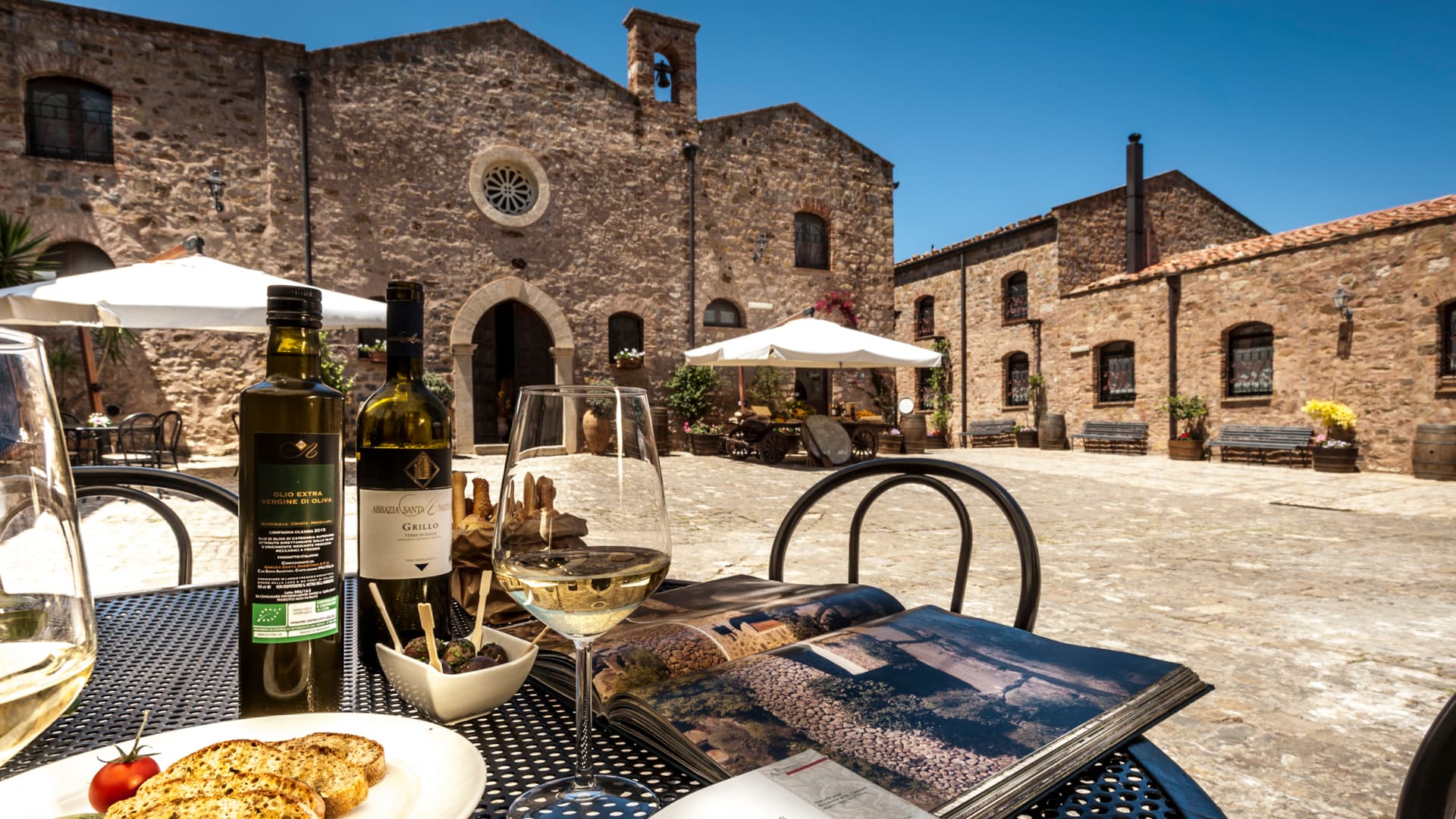
An ancient former convent and organic winery offering guided tastings and cellar tours.
The highest peak in the park at 1,979 metres, perfect for panoramic mountain photography.
A fascinating natural karst formation located in the heart of the park landscape.
Remarkable ancient trees that reach unusual heights within the park forests.
A modern educational center in Isnello featuring a planetarium and observatory.
You begin at an urban cellar tucked beneath a medieval townhouse three blocks from the cathedral, descending stone steps into a vaulted chamber where barrels rest against limestone walls.
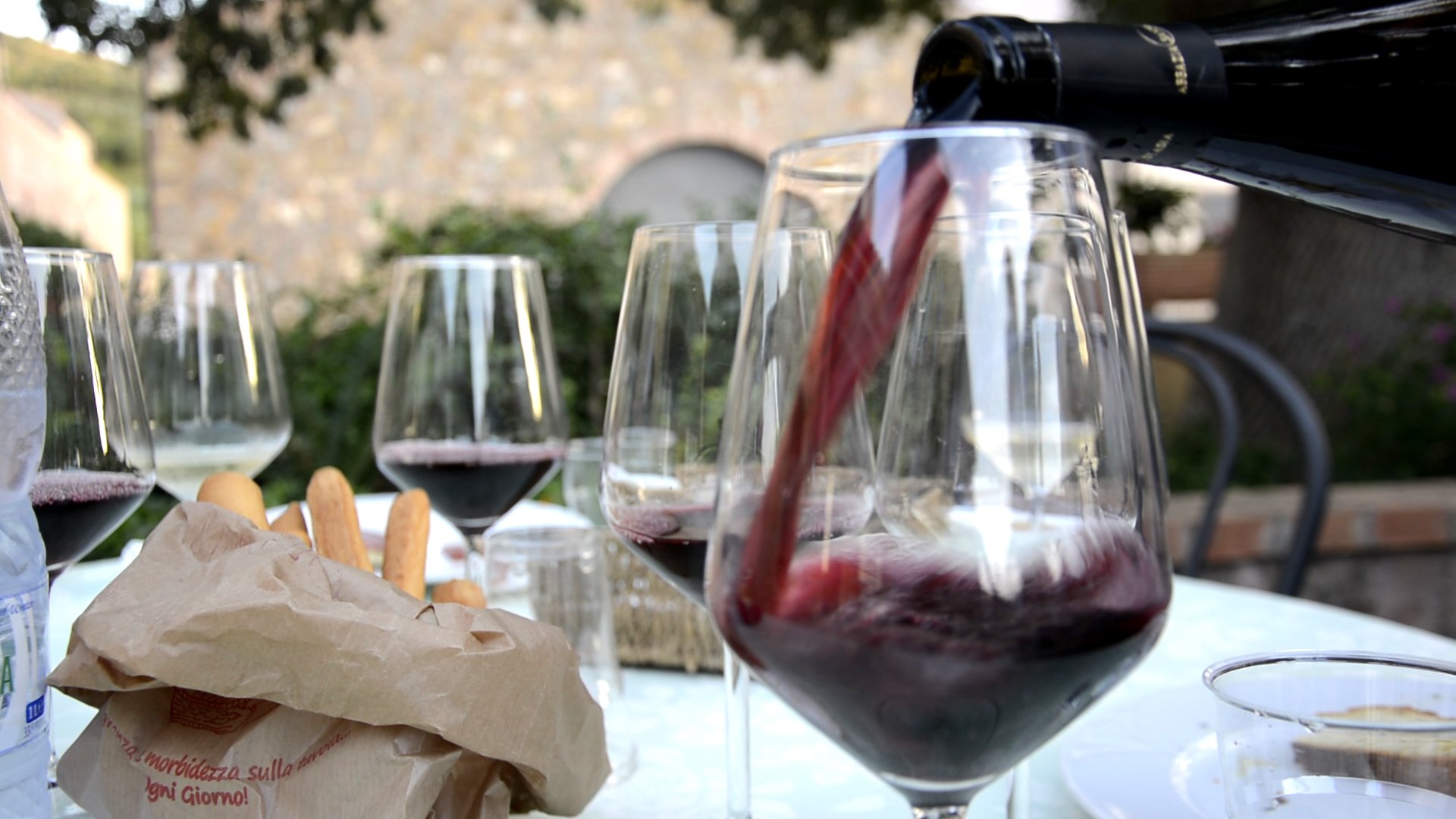
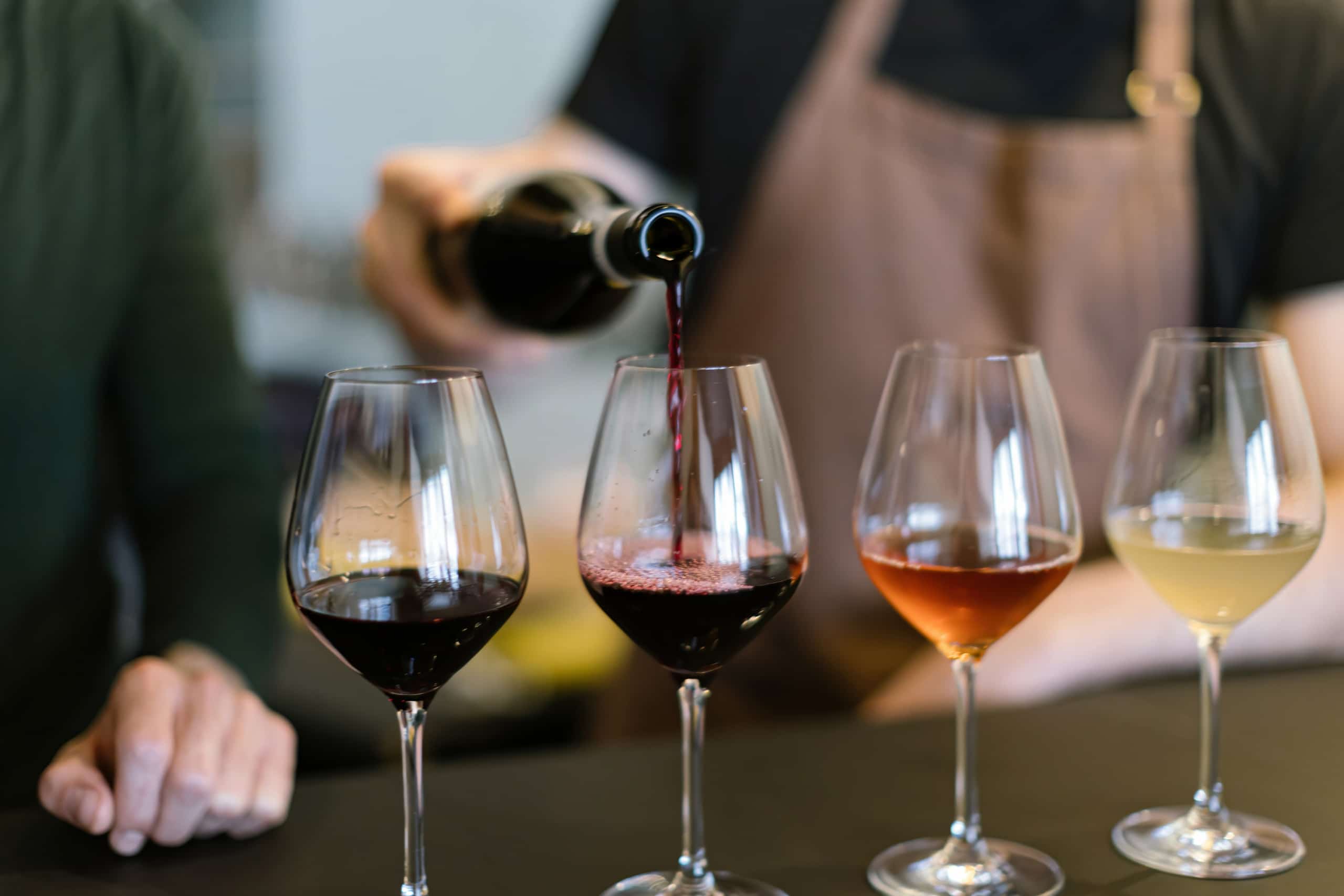
The sommelier pours a chilled Grillo, its citrus notes cut with saline minerality, and explains the coastal vineyard's exposure to sea winds. You move through five wines in sequence, each paired with a regional cheese or cured meat, the tasting notes printed on handmade paper detailing vineyard altitude and harvest date.
If you've chosen the walking tour option, you exit the cellar and follow narrow lanes to an artisan pasta workshop, where the guide arranges a brief tasting of busiate paired with a young Catarratto. The route continues uphill to a second cellar occupying a former granary, where the winemaker demonstrates fermentation in buried amphorae and pours a vertical selection of Nero d'Avola from three successive vintages. You notice the tannin shift as altitude increases from 400 to 700 meters. The final stop overlooks the harbor, a coastal venue where you sample a dessert wine made from late-harvest Zibibbo grapes, the liquid amber catching afternoon light filtered through the arched window.
All the details about your upcoming adventure in one place
Cefalù's wine culture sits at the convergence of three distinct terroirs: coastal vineyards where sea spray tempers the heat, mid-altitude plots in the Madonie foothills where diurnal swings preserve acidity, and ancient cellars dug into limestone beneath the medieval centro storico.
The town's viticultural identity was reshaped in the late 1990s when a consortium of small producers revived native Sicilian varietals—Nero d'Avola, Grillo, Catarratto—after decades of bulk production for northern Italian bottlers. By 2010, three urban wine cellars had opened within walking distance of the Norman cathedral, each occupying converted granaries or fishermen's warehouses where stone walls maintain year-round humidity ideal for barrel aging.
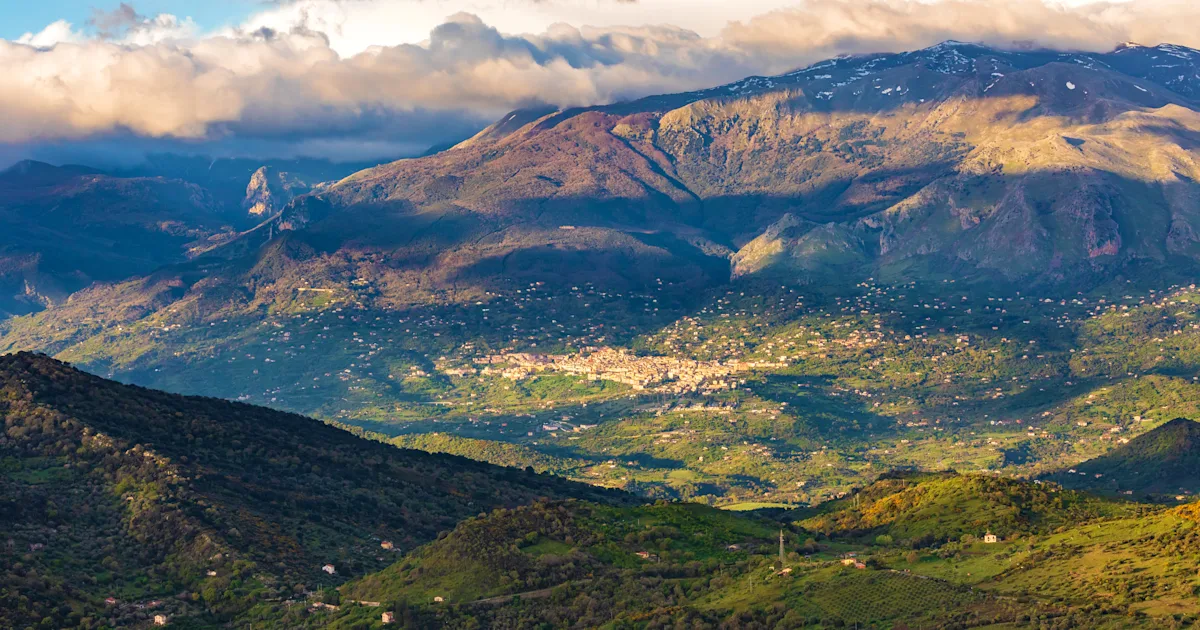
The Madonie Regional Natural Park, established in 1989 and encompassing 39,972 hectares, provides the ecological backdrop for this renaissance. Vineyards planted between 400 and 800 meters above sea level benefit from the park's microclimates: morning fog from the Tyrrhenian coast, afternoon thermals from the interior plateaus, and soils enriched by millennia of alluvial deposits from the Pollina and Imera rivers. These conditions produce wines with pronounced minerality and aromatic complexity, characteristics amplified by organic farming practices that 68 percent of Madonie producers adopted between 2015 and 2023. Cefalù wine tasting experiences now extend beyond the town limits, with guided excursions to hillside estates where pruning techniques date to Greek colonization and fermentation still occurs in terracotta amphorae buried in cellar floors.
The urban tasting model—intimate sessions in vaulted cellars beneath the historic quarter—has become the town's signature format. A typical tasting course progresses through five wines paired with regional cheeses, cured meats from Madonie's black pig herds, and olive oils pressed within the park boundaries. Sommeliers often include a vertical tasting of single-vineyard Nero d'Avola to demonstrate how altitude and harvest timing alter tannin structure. The walking tour format, which combines wine stops with artisan visits to pasta makers and anchovy curers, reflects Cefalù's integration of wine into broader culinary identity rather than treating it as an isolated product. This approach mirrors the park's philosophy of sustainable tourism, where wine production supports rather than displaces traditional agriculture and provides economic incentive for maintaining the terraced landscapes that define the Madonie skyline.

Morning fog from the Tyrrhenian coast and afternoon thermals from the interior plateaus produce wines with pronounced minerality.
Wear comfortable walking shoes and layered clothing suitable for mountain terrain during your cefalu wine tasting visit. The weather in the Madonie Regional Natural Park can shift rapidly, so a light jacket is recommended.
Keep personal bags lightweight and manageable for trail access near your selected winery. Large luggage is discouraged for any cefalu wine tasting excursion due to the rural nature of the park.
Photography is encouraged throughout the park; capture the lush vineyard landscapes during your cefalu wine tasting day. Respect the privacy of local residents and private winery estates.
The Madonie Regional Natural Park offers family-friendly paths and nature centers. While wine tasting is for adults, many estates near the park provide spaces for children to explore during the tour.
Many natural areas within the park involve uneven terrain, so accessibility varies by specific site. Verify wheelchair access directly with your chosen venue for a private cefalu wine tasting tour.
Local delicacies including cheeses and honey pair well with your cefalu wine tasting glass. Always pack out any trash to preserve the natural beauty of the Madonie Regional Natural Park.
Opening hours
09:00–18:00
Address
Corso Paolo Agliata, 16, 90027 Petralia Sottana PA, Italy
Entry
Free entry to the park; fees apply for specific private wine tasting tours.
Arrival
09:00–17:00 — Optimal light for scenic mountain views and moderate temperatures for outdoor exploration.
Storage
Not available; please plan accordingly for your cefalu wine tasting excursion.
Navigation
Use official park maps for remote trails during your cefalu wine tasting adventure.
Free cancellation is typically available up to 2 days before the scheduled cefalu wine tasting tour. Please verify specific operator terms as entrance fees to the park remain 0 EUR.
Recommended time
4-6 hours
A trip for a cefalu wine tasting typically requires a half-day commitment to account for travel time from the coast into the rugged Madonie landscape. Most visitors find that booking organized cefalu wine tasting tours helps manage transit logistics while allowing enough time to explore regional vineyards and mountain scenery. Those seeking an extensive cefalu wine tasting tour may prefer a full day to enjoy additional hiking or village visits, as peak crowds generally subside after the early afternoon rush.
Crowd levels through the day
Viticulture in the Madonie mountains traces back to Greek colonization along Sicily's northern coast in the eighth century BCE, when settlers from the Aegean planted vines adapted to volcanic soil and Mediterranean heat. By the Roman period, amphorae bearing Sicilian wine traveled across the empire, though the rugged interior remained secondary to coastal estates. Medieval monasteries preserved winemaking knowledge through Arab rule, blending Islamic agricultural science with Christian sacramental demand. The Benedictines at San Guglielmo cultivated terraced plots above Castelbuono, recording yields in ledgers that survive in Palermo archives. Phylloxera arrived in 1880, devastating lowland vineyards but sparing high-altitude parcels in the Madonie due to sandy soils and isolation. Recovery was slow; many families abandoned wine for grain or emigrated to the Americas. Post-war cooperatives in Polizzi Generosa and Petralia Sottana revived production in the 1960s, yet bulk wine for blending dominated until quality reforms in the 1990s. The establishment of Madonie Regional Natural Park in 1989 shifted priorities toward heritage and sustainable agriculture. Indigenous varieties—Perricone, Catarratto, Inzolia—gained protected status, and small estates began offering cefalu wine tasting tours that combined vineyard walks with mountain ecology. By 2005, agriturismi in the park's buffer zones developed guided experiences linking terroir to geology, using the park's biodiversity as a narrative frame. Today cefalu wine tasting tickets often bundle cellar visits with cheese and olive oil sampling, reflecting the Slow Food ethos that reshaped rural tourism across Sicily. The 2015 designation of several Madonie producers under the Sicilia DOC formalized quality standards, anchoring the region's identity in both natural conservation and ancestral technique.
Greek settlers introduce viticulture to Sicily's northern coast, planting vines in Madonie foothills.
Sicilian wine exported across the Mediterranean; mountain estates remain small-scale.
Benedictine monasteries preserve winemaking through Arab and Norman rule, recording harvests.
Phylloxera blight devastates lowland vineyards but spares high-altitude Madonie plots.
Post-war cooperatives in Polizzi and Petralia revive production, focusing on bulk wine.
Madonie Regional Natural Park established, promoting sustainable agriculture and heritage crops.
Agriturismi develop cefalu wine tasting tours linking terroir, ecology, and local food traditions.
Madonie producers gain Sicilia DOC designation, formalizing quality standards for regional wines.
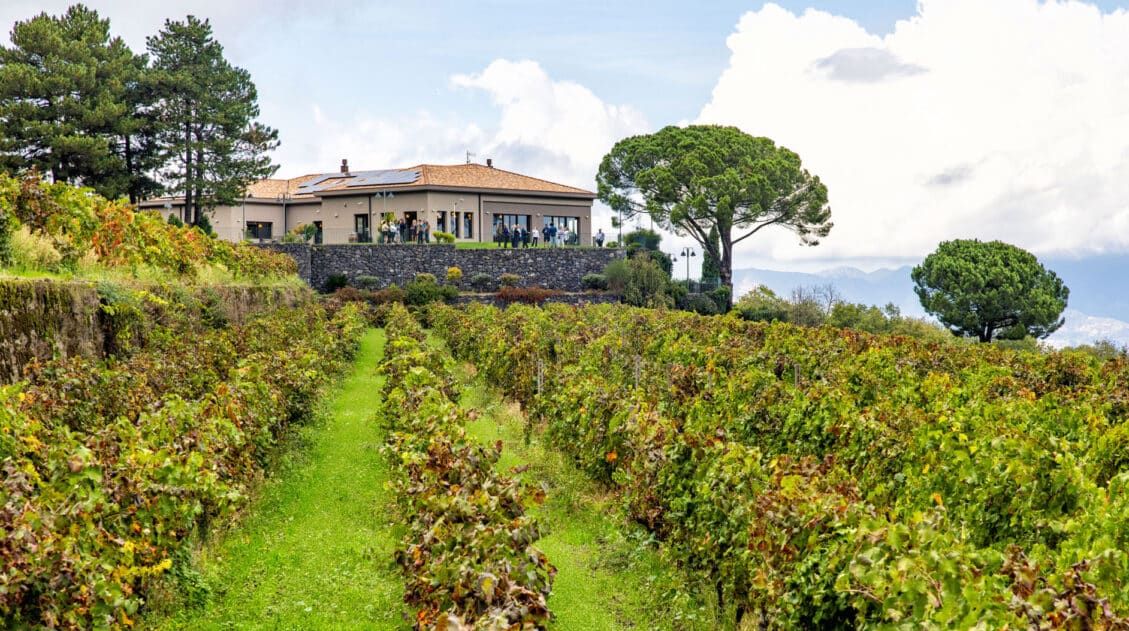
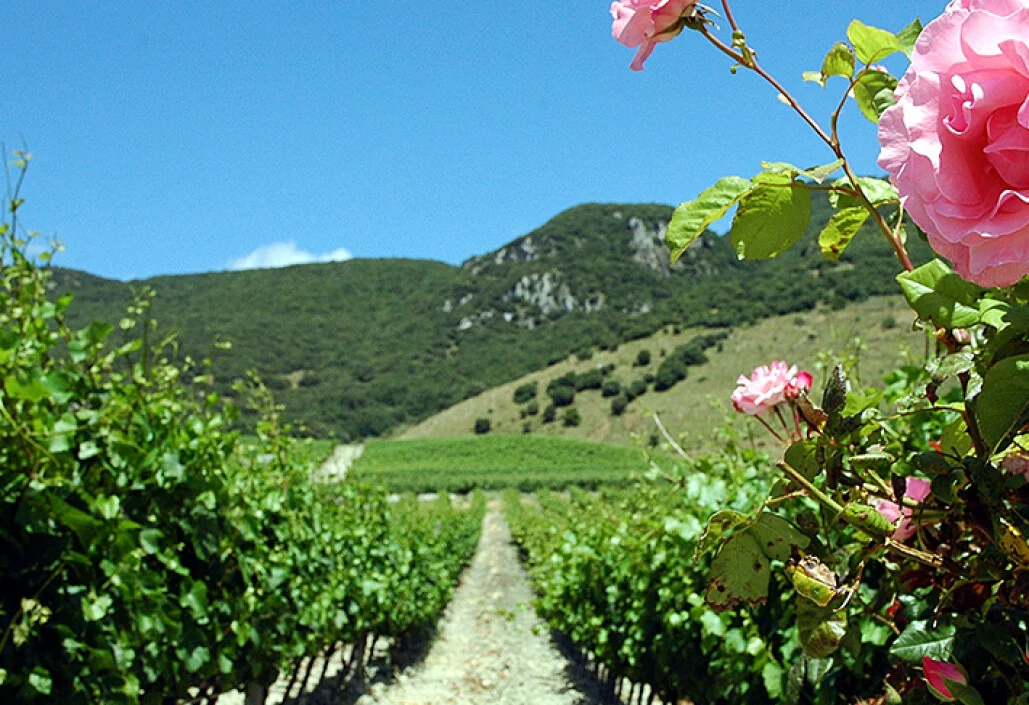
Stand at the edge of the stone wall to capture the rolling hills and distant mountain peaks. This elevated position provides a classic view for your cefalu wine tasting photography.
Exploring the landscape for a cefalu wine tasting adventure allows families to connect with the local terroir and scenic mountain slopes of the Madonie Regional Natural Park. While the park is vast, planning ahead helps ensure a smooth excursion when booking your cefalu wine tasting tour.
The rugged terrain of the park is generally unsuitable for standard strollers, so parents should opt for high-quality hiking carriers. This ensures you can navigate the vineyards and mountainous trails comfortably with infants or toddlers in tow.
Public restrooms and designated baby-change stations are limited within the park grounds, making it essential to utilize facilities in Petralia Sottana before heading out. Checking for amenities is a standard step before purchasing your cefalu wine tasting tickets.
Given the expansive nature of the mountains, keep itineraries flexible to allow for frequent breaks and hydration in the autumn sun. Aiming for the best arrival window of 09:00–17:00 helps maintain a manageable pace for younger children.
Focus on designated walking paths near the park visitor center where the elevation changes are less demanding for families. These shorter loops provide a taste of the region without the exhaustion associated with more intensive cefalu wine tasting tours.
Exploring the mountain trails near cefalu wine tasting locations requires fueling up with traditional Sicilian flavors found in the village of Petralia Sottana. Visitors typically head to the historic center for authentic agriturismo fare and local vineyard labels after their cefalu wine tasting tours.
Specializes in mountain-sourced ingredients like local mushrooms and cheeses paired with regional red varieties. This spot provides a hearty end to a cefalu wine tasting tour experience in the heart of the park.;Bar Pasticceria del Corso
Everything you need to know for your journey
The park is open daily from 09:00–18:00. Arriving between 09:00–17:00 is recommended for the best mountain light during your visit.
Entry to the Madonie Regional Natural Park is 0 EUR. Private wine tasting tours operate independently and have their own pricing structures.
Small, personal bags are best for navigating the countryside. Please avoid bringing large suitcases to your wine estate in the Madonie Regional Natural Park.
Autumn and spring offer the most moderate temperatures for outdoor exploration and vineyard visits in the park.
Photography is welcome throughout the park and at most wineries. Please ensure you do not disrupt others during your tour.
Casual, comfortable attire is preferred for a wine tour in the park. Focus on sturdy footwear for the hilly landscape.
Many wineries are family-friendly, but tasting is restricted to those of legal drinking age. Always confirm child policies with your specific tour operator.
A car is strongly recommended to reach the mountain estates from the coast. Check transit routes to Petralia Sottana or Castelbuono before your tour.
Yes, you can visit the medieval castles, the Astronomic Park, or local nature trails before or after your booked tasting session.
Join thousands of happy travelers who have discovered this incredible experience
Book Your Experience Now